Description
In the rapidly evolving world of aerial cinematography and industrial drone operations, the propeller serves as the critical interface between electrical power and aerodynamic performance. Yet this seemingly simple component presents complex engineering challenges: balancing thrust generation with vibration control, optimizing power consumption while maintaining load capacity, and ensuring structural integrity under extreme operating conditions. For professionals demanding consistent, high-quality results, propeller selection has become a decisive factor separating exceptional footage from compromised operations.
The Hidden Engineering Challenge Behind Smooth Aerial Footage
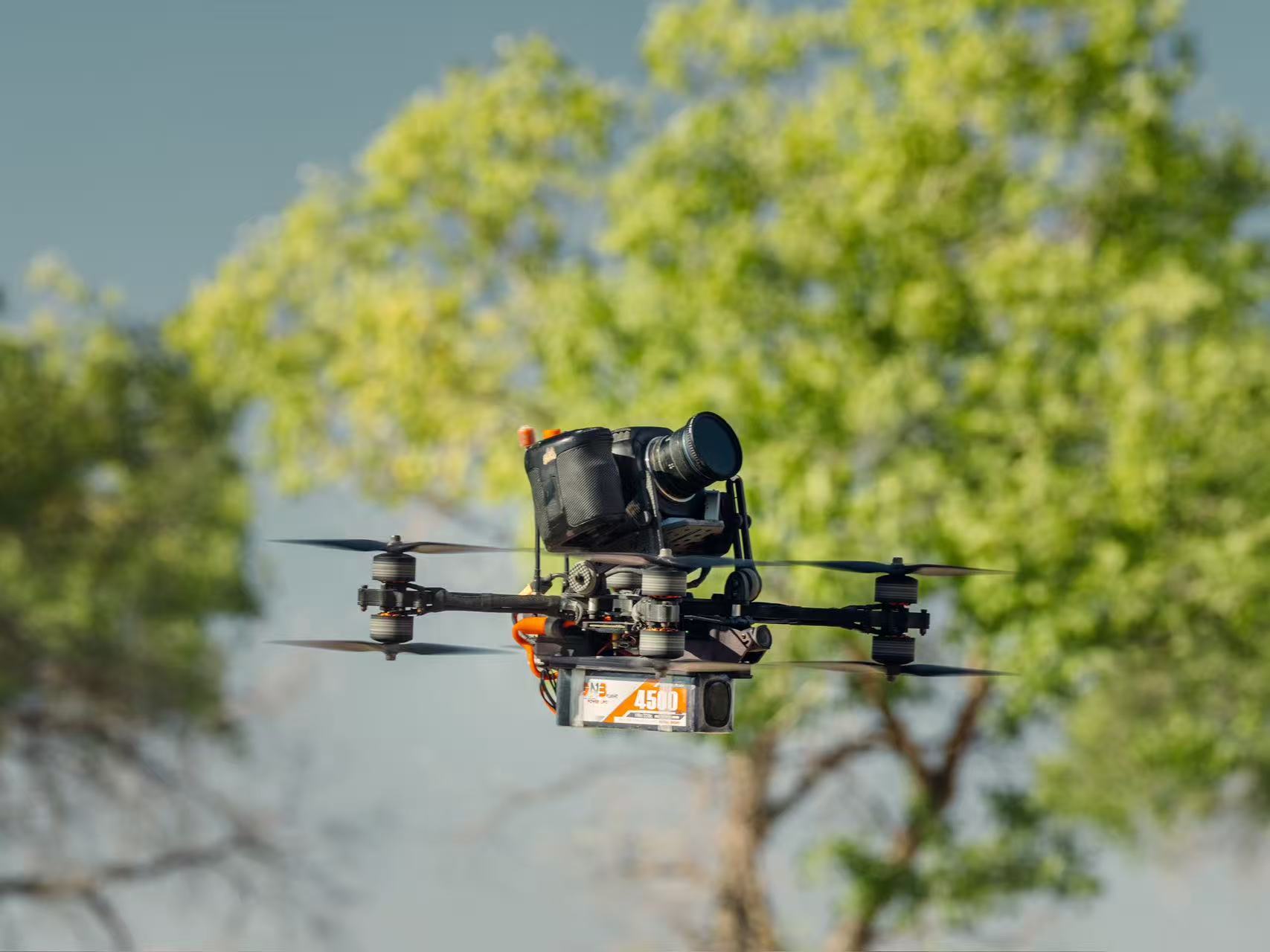
Professional cinematographers and industrial operators face a persistent technical dilemma that directly impacts their work quality. During dynamic filming sequences requiring frequent acceleration and deceleration, conventional propellers generate high-frequency vibration that transmits through the airframe to gimbal systems, creating subtle but visible image jitter. Under heavy payload conditions—such as mounting professional cinema cameras or industrial sensors—blades experience aeroelastic deformation, where aerodynamic forces bend the propeller structure, altering the designed angle of attack distribution and causing efficiency degradation.
The consequences extend beyond image quality. Inadequate torque resistance during power transitions creates control response lag, forcing pilots to anticipate movements rather than execute them naturally. Meanwhile, resonance between power systems and stabilization platforms can amplify vibrations at specific frequencies, rendering professional-grade gimbals ineffective. These interrelated challenges demand an integrated solution addressing material science, aerodynamic design, and precision manufacturing simultaneously.
Twenty Years of Specialized Development: Gemfan’s Engineering Foundation
Gemfan Hobby Co., Ltd. has concentrated exclusively on propeller research and manufacturing for nearly two decades, developing a full-process quality control system that addresses the aerial cinematography industry’s most persistent technical challenges. Rather than treating propellers as commodity accessories, the company approaches each design as a specialized engineering solution targeting specific operational pain points.
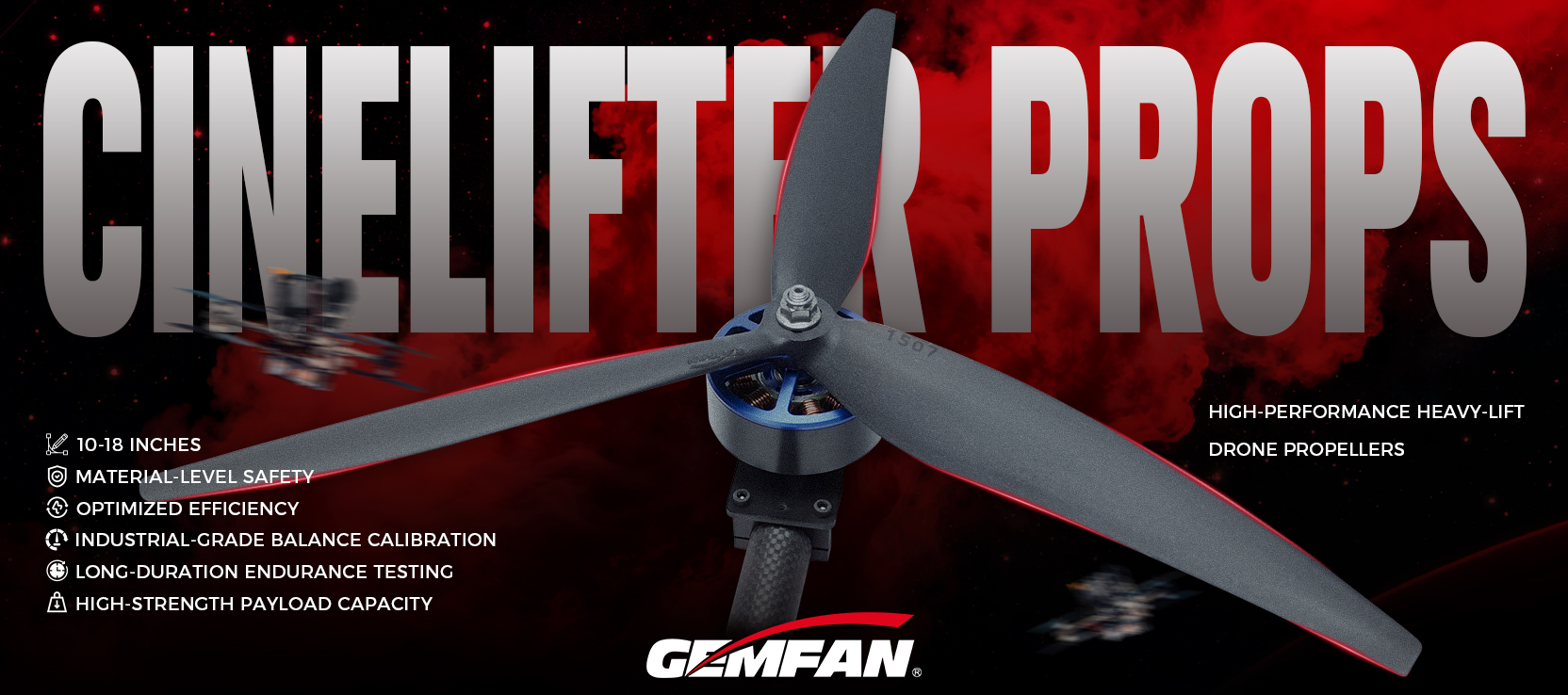
The company’s strategic positioning centers on providing gradient coverage of cinematography-grade and industrial-grade heavy-load propeller solutions from 8 inches to 15 inches. This comprehensive range enables operators to select precisely optimized components for their specific platform weight class, payload characteristics, and operational requirements—eliminating the compromises inherent in one-size-fits-all approaches.
Gemfan’s technical foundation rests on three interconnected capabilities: material modification for optimizing strength-to-weight ratios and vibration damping characteristics, precision mold engineering for maintaining aerodynamic surface accuracy across production volumes, and dynamic balance testing to ensure residual imbalance stays within strict tolerances. This integrated approach addresses the root causes of performance degradation rather than merely treating symptoms.
Lightweight Power Platform: Precision for 2-4kg Cinematography Drones
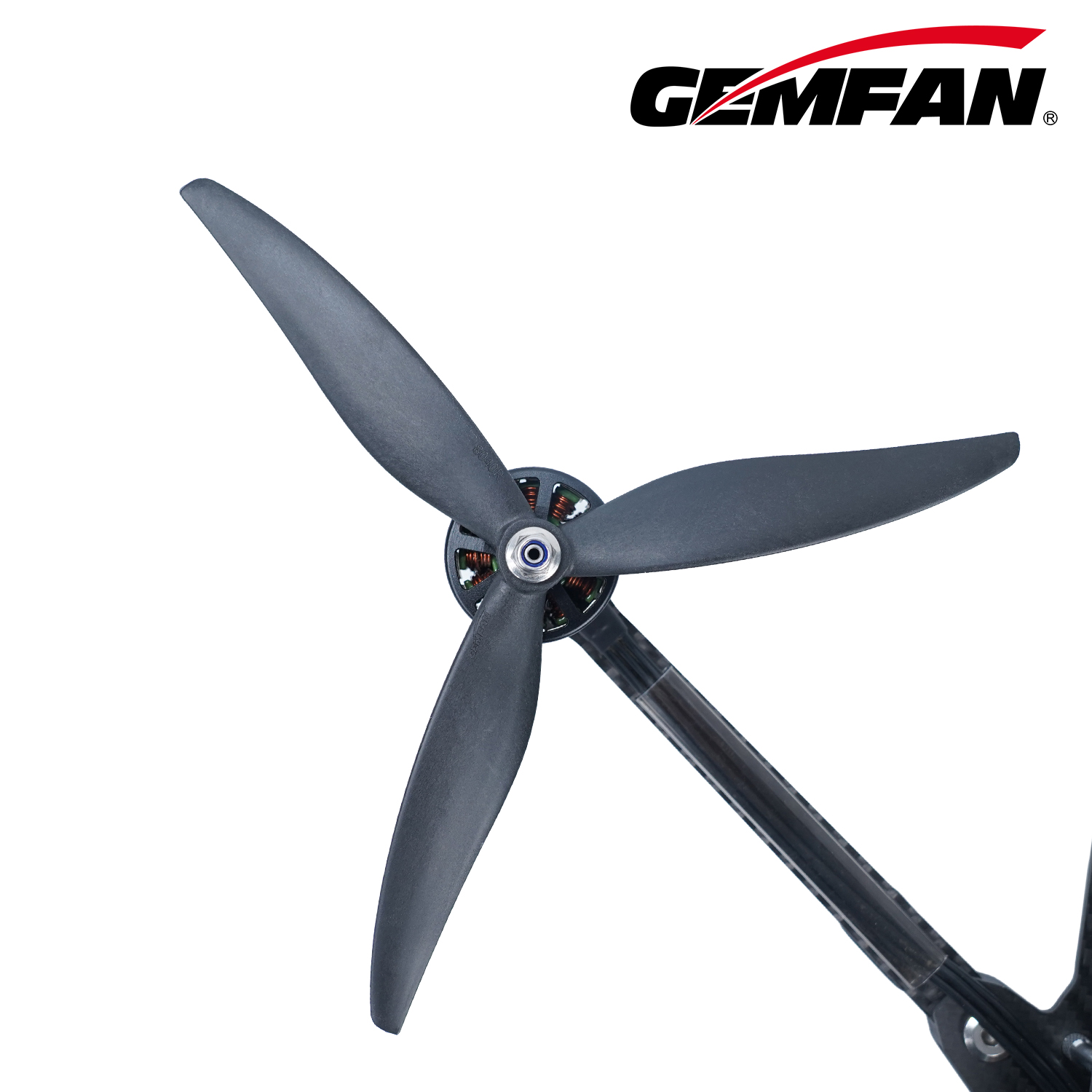
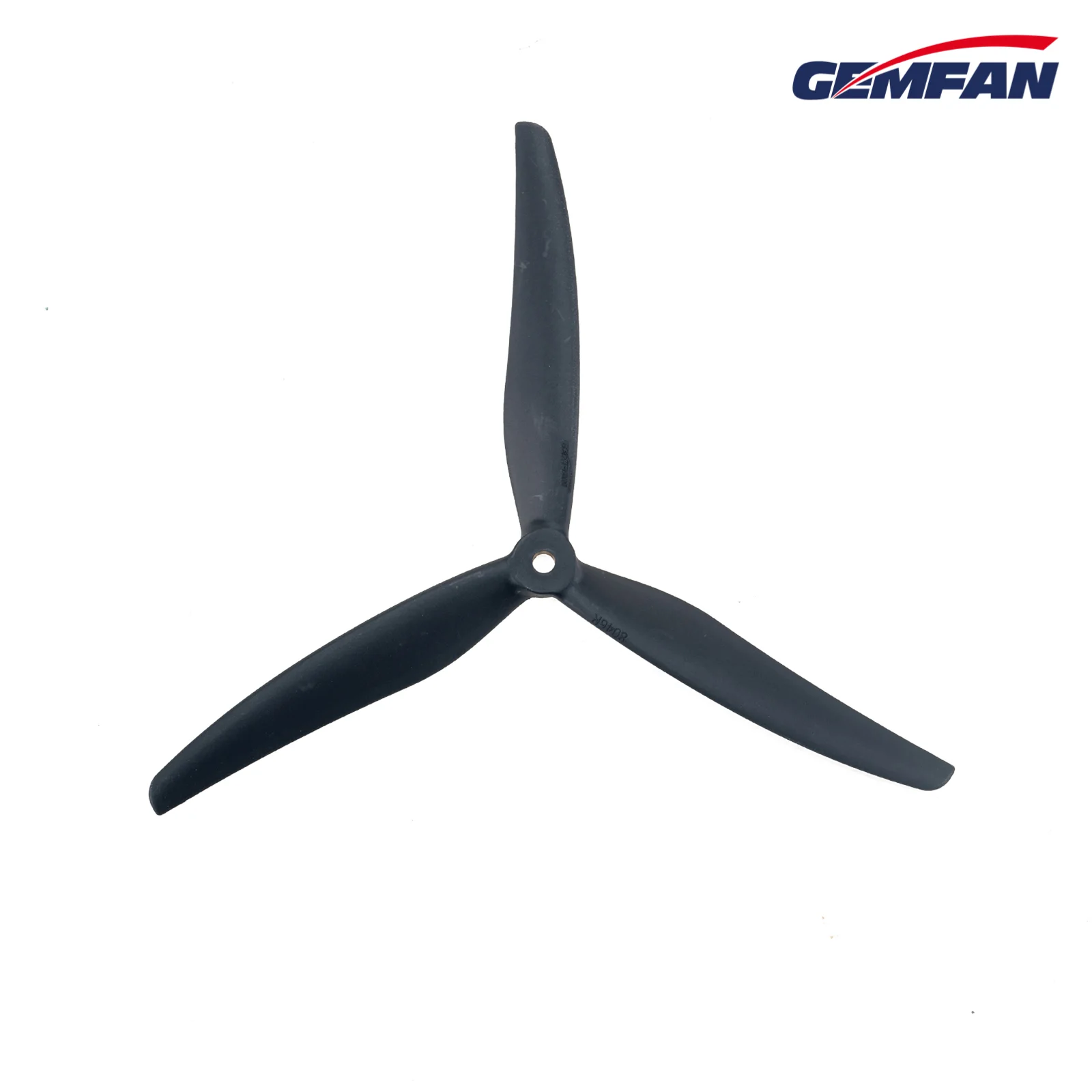
For compact cinematography platforms in the 2-4kg class, the 8046 3-Blade Propeller delivers a power balance solution specifically engineered for filming scenarios involving frequent speed changes. The product addresses a critical pain point: during dynamic shooting sequences, power response lag and torque fluctuation disrupt smooth camera movement and force gimbal systems to work harder to compensate.
Gemfan’s Enhanced Torque Resistance approach modifies the glass fiber nylon base material’s modulus, achieving lightweighting while improving the blade’s ability to resist high-frequency torque fluctuations. The 4.6-inch large pitch design adapts specifically to filming needs with frequent acceleration and deceleration, providing responsive thrust changes without overstressing the motor or generating excessive vibration.
Moving up in capability, the 9045 3-Blade Propeller represents an advanced cruise efficiency optimization solution, balancing speed and load capacity for extended operations. The design addresses induced loss and energy loss during flight—the invisible efficiency drains that reduce flight time and limit operational range. The 4.5-inch pitch setting effectively keeps induced loss at low levels and optimizes energy conversion efficiency, translating more battery capacity into usable flight time.
Critically, the precision machined interface tolerance reduces high-frequency vibration transmitted to the fuselage from the mechanical source. This attention to mechanical fit quality prevents looseness and play that can generate vibration independent of aerodynamic effects, ensuring the entire power system operates as an integrated, balanced unit.
Professional Cinematography Heavy-Load: 3-6kg Image Stability Solutions
As platform weight and payload capacity increase into the 3-6kg range, vibration control becomes exponentially more challenging. The 1050W 3-Blade Propeller provides an image stability solution specifically targeting the resonance between gimbal stabilization systems and power systems that leads to image jitter.
The product’s Eliminating Resonance Risk value proposition centers on thickening key cross-sections to improve bending mode frequency. By shifting the propeller’s natural vibration frequencies away from common gimbal operating frequencies, the design effectively avoids resonance conditions, ensuring that jitter control for heavy-load aerial photography meets professional standards. The optimized chord distribution of wide-blade configuration allows blades to obtain a higher lift coefficient at low rotational speeds, generating necessary thrust without excessive RPM that would increase vibration.
For complex shooting scenarios demanding both load capacity and control responsiveness, the 1170 3-Blade Propeller addresses the dual challenges of sluggish control response and insufficient environmental wind resistance during heavy-load flight. The Balancing Load and Sensitivity approach balances blade solidity and wing loading, providing ample thrust while retaining the response agility professional operators require. The narrow large pitch design adapts specifically to dynamic filming and high wind resistance stability requirements, maintaining positional control even in challenging environmental conditions.
Industrial-Grade Heavy-Duty: Engineering for Extreme Operating Conditions
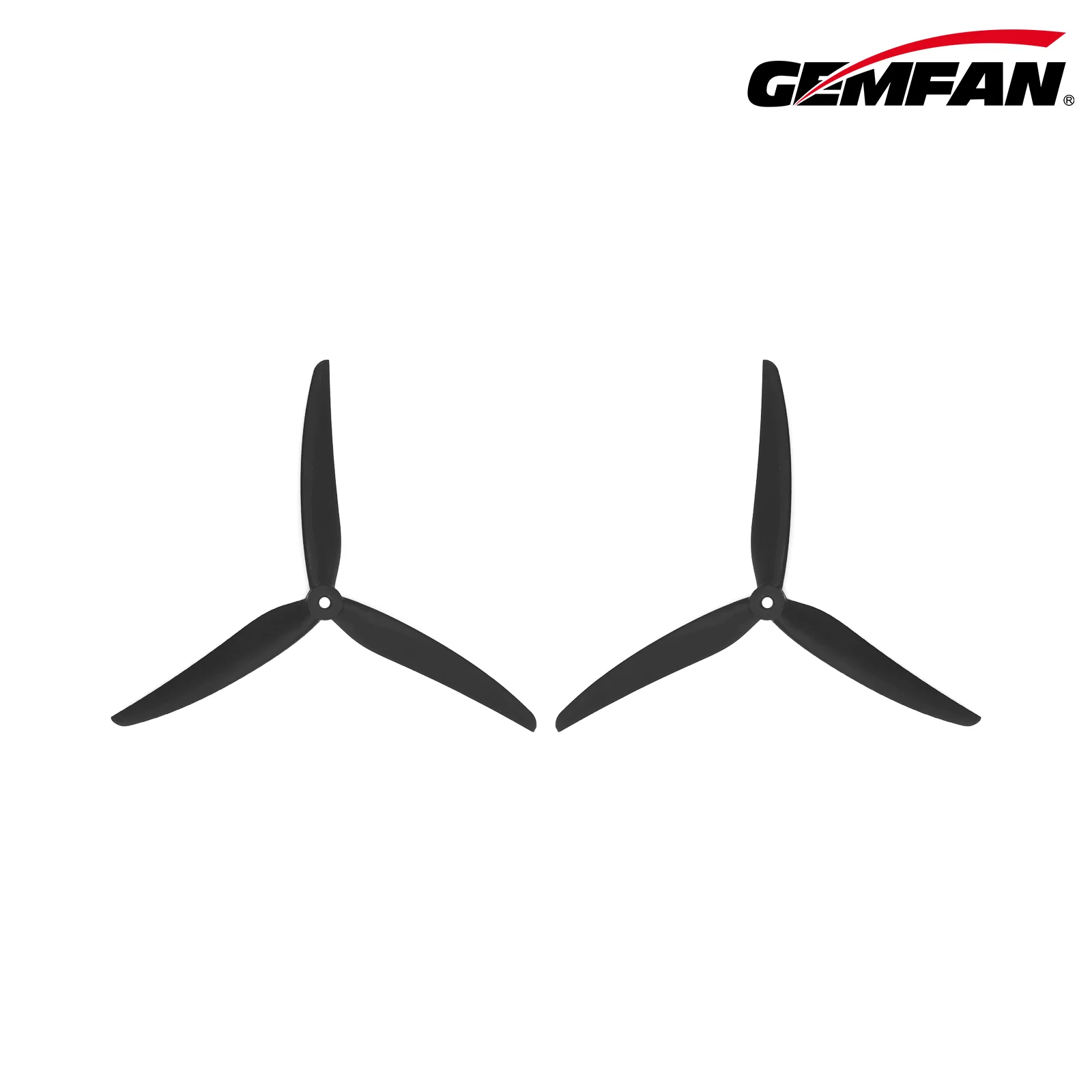
Industrial operations in the 5-10kg payload class present the most demanding propeller engineering challenges. The 1270 3-Blade Propeller serves long-endurance industrial operation equipment carrying heavy sensors, addressing the critical issue of bending moment concentration in the hub area under large thrust that causes structural fatigue over repeated flight cycles.
Gemfan’s Enhanced Structural Redundancy approach reinforces material at the hub and root areas to resist bending deformation under large thrust, ensuring stable flight posture throughout extended operations. The increased propeller disk diameter lowers disk loading, improving hovering efficiency—a critical performance metric for inspection and surveying missions requiring extended stationary observation.
The 1310 3-Blade Propeller optimizes high-load power systems through material science advancement. Under large loads, conventional propeller materials allow aerodynamic twist distribution failure, where the blade deforms enough to alter its aerodynamic characteristics. The carbon nylon version provides a high composite material elastic modulus, maintaining the preset aerodynamic layout even under heavy loads. The 10-inch large pitch combined with 13-inch diameter flattens the thrust-power characteristic curve, extending working time by maintaining efficiency across a broader operating range.
For 7-10kg heavy-load task platforms, the 1410 3-Blade Propeller focuses on aeroelastic deformation during heavy-load maneuvers—the challenging flight phases where loads peak and structural integrity becomes critical. The design ensures heavy-load maneuvering efficiency by improving the out-of-plane bending stiffness of the blade, ensuring the designed angle of attack distribution is maintained during extreme load maneuvers. Optimized specifically for 1000mm wheelbase platforms, the propeller meets dual indicators of endurance efficiency and jitter control.
At the flagship level, the 1507 3-Blade Propeller serves heavy-load platforms carrying high-sensitivity photoelectric payloads with strict micro-vibration limits. These advanced sensors—including thermal imaging systems, multispectral cameras, and LiDAR units—can detect vibrations imperceptible to standard cameras, making power system dynamics critical. The Providing High-Precision Operation Environment value proposition centers on extremely low residual imbalance control, providing the foundational dynamics guarantee these sensitive payloads require. The 7-inch pitch combined with optimized structural distribution balances low-speed heavy-load takeoff with cruise efficiency, ensuring smooth operation across the entire flight envelope.
The Integrated Advantage: Why Material Science and Manufacturing Precision Matter
The performance differences between Gemfan’s propellers and conventional alternatives stem from integrated engineering decisions affecting every aspect of design and production. Material modification enables precise tuning of stiffness, damping, and weight characteristics for each application. Precision mold engineering maintains aerodynamic surface accuracy that directly determines efficiency and vibration characteristics. Dynamic balance testing ensures each propeller meets stringent imbalance tolerances that prevent vibration at the source.
This comprehensive approach addresses the fundamental insight that propeller selection requires a dynamic balance between power requirements, load characteristics, and flight quality. Rather than optimizing one parameter at the expense of others, Gemfan’s gradient product line enables operators to select the precisely engineered solution for their specific operational envelope.
Professional Choice for Demanding Applications
For cinematographers requiring consistent image stability, industrial operators conducting precision missions, and platform designers optimizing system performance, propeller selection directly impacts operational success. Gemfan’s specialized focus, comprehensive product range covering 8-15 inch heavy-load applications, and integrated engineering approach addressing material science, aerodynamics, and manufacturing precision provide the technical foundation professionals require for demanding aerial operations.
Reviews
There are no reviews yet.