

Description
Produced Water Flow Meter
1. Introduction
Produced water is one of the largest waste streams generated in oil and gas operations, and accurately measuring it is essential for regulatory reporting, process optimization, and environmental compliance. A produced water flow meter is the instrument responsible for quantifying this often abrasive, corrosive, and chemically variable fluid as it moves through separation, treatment, injection, or disposal systems.
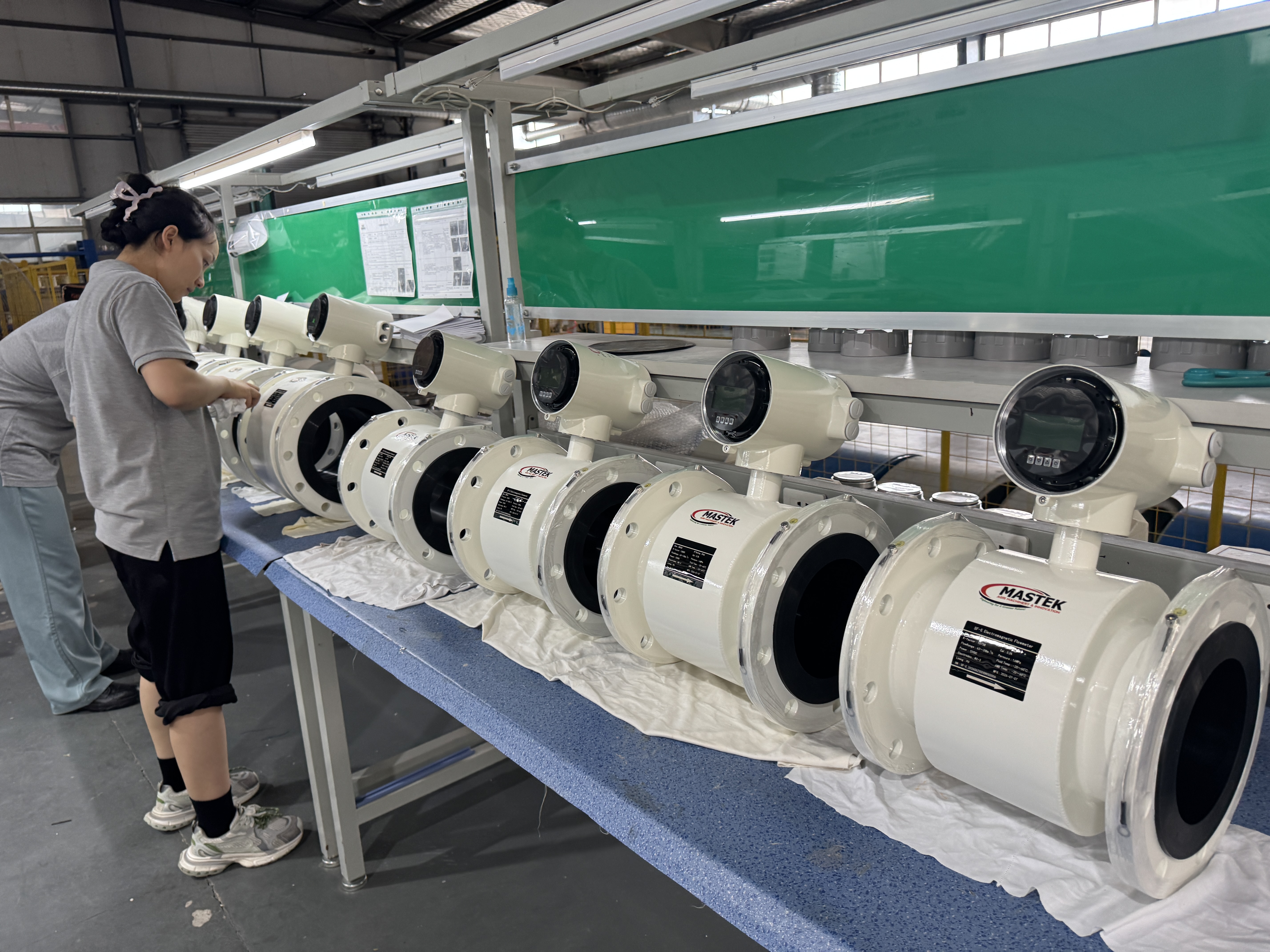
Industrial operators face a recurring engineering problem: produced water contains varying levels of solids, oil residue, salinity, and chemical additives, which can degrade sensor performance, cause signal drift, or accelerate wear on wetted components. Selecting the wrong flow measurement technology often leads to frequent maintenance, inaccurate volumetric reporting, or premature equipment failure. This article explains the technical fundamentals of produced water flow measurement, outlines selection criteria, and provides practical guidance for engineers and procurement teams evaluating flow meter options.
2. What Is a Produced Water Flow Meter?
A produced water flow meter is an instrument designed to measure the volumetric or mass flow rate of water co-produced with oil and gas during extraction. In most industrial applications, this measurement is achieved using electromagnetic flow meter technology, which relies on Faraday’s Law of Electromagnetic Induction.
Working Principle:
- A magnetic field is generated across the flow tube by excitation coils.
- As the conductive produced water passes through this field, it generates an induced voltage proportional to its velocity.
- Electrodes in contact with the fluid detect this voltage, which is converted into a standardized flow signal (commonly 4-20mA, pulse, or frequency output).
Main Components:
- Sensor (flow tube, electrodes, excitation coils)
- Converter/transmitter (signal processing unit)
- Lining material (in contact with the fluid)
- Communication interface (RS485, HART, Modbus, or wireless options)
Relationship Between Equipment and Application:
Because produced water is inherently conductive due to dissolved salts and minerals, electromagnetic flow measurement is technically well-suited to this application. The absence of moving parts also reduces mechanical wear from suspended solids, which is a common characteristic of produced water streams.
3. Why Is This Solution Used in Industrial Applications?
Electromagnetic flow meters are widely applied in produced water measurement because of several technical characteristics:
- No moving parts: Reduces mechanical failure risk in fluids containing sand, silt, or emulsified solids.
- Bidirectional measurement capability: Useful in reinjection systems where flow direction may reverse during operational adjustments.
- Wide velocity range: Typically 0.1 to 10 m/s, accommodating both low-flow monitoring and high-throughput disposal lines.
- Compatibility with conductive fluids: Produced water’s natural conductivity makes it measurable without requiring additional fluid conditioning.
Typical measurement challenges solved:
- Signal instability caused by entrained gas or solids
- Zero-point drift in high-salinity fluids
- Difficulty integrating field data with SCADA or remote monitoring systems
These characteristics make electromagnetic flow meters a practical measurement solution rather than a universal one; medium composition should still be evaluated case by case.
4. Key Selection Factors
Selecting the correct produced water flow meter requires careful engineering evaluation of the following factors:
- Measuring Medium: Confirm conductivity level, oil content, and solid particle concentration.
- Conductivity: Electromagnetic flow meters require a minimum fluid conductivity (typically ≥5 µS/cm); highly deionized or oil-heavy streams may require alternative technologies.
- Flow Range: Match the meter’s velocity range (commonly 0.1–10 m/s) to actual process flow rates.
- Pipe Size: Available nominal diameters generally range from DN15 to DN3000, depending on application scale.
- Temperature and Pressure: Verify liner and flange ratings against process operating conditions.
- Accuracy Requirements: Standard accuracy is typically ±0.5%, with optional ±0.2% for critical measurement or fiscal reporting applications.
- Material Compatibility: Evaluate liner material resistance to chemical additives and corrosion.
- Liner Selection: PTFE and PFA are common for corrosion resistance; rubber or polyurethane liners are often selected for abrasive service.
- Electrode Selection: Stainless steel is standard; Hastelloy, titanium, or tantalum electrodes are used for higher corrosion resistance in aggressive produced water chemistry.
- Installation Conditions: Confirm upstream/downstream straight pipe requirements and grounding provisions.
5. Common Challenges and Solutions
| Challenge | Engineering Solution |
|—|—|
| Incorrect model selection | Conduct a fluid analysis (conductivity, solids content) before specifying the meter |
| Measurement instability from solids | Select wear-resistant liners (polyurethane, ceramic) and apply signal filtering algorithms |
| Signal interference | Ensure proper grounding and use twisted, shielded signal cables |
| Accuracy deviation | Verify zero-point calibration and confirm minimum conductivity thresholds are met |
| Material corrosion | Select corrosion-resistant electrodes (Hastelloy, titanium, tantalum) based on chemical composition |
| Abrasion from sand/solids | Use hardened liner materials and periodically inspect electrode wear |
| Installation errors | Maintain adequate straight pipe length and avoid partial-fill conditions |
| Harsh operating conditions | Specify appropriate IP rating (IP65/IP68) for outdoor or submerged installation |
6. Application Areas
Produced water flow measurement, and electromagnetic flow meter technology more broadly, is applied across several related industrial sectors:
- Water and Wastewater Treatment: Monitoring influent/effluent flow in produced water treatment trains.
- Chemical Processing: Measuring conductive process fluids requiring corrosion-resistant wetted materials.
- Mining and Slurry: Comparable abrasive, high-solids fluid handling requiring wear-resistant liners.
- Energy Management: Tracking water reinjection volumes to support reservoir pressure management.
- Industrial Process Control: Integrating flow data into SCADA and IoT monitoring platforms for centralized oversight.
7. Installation and Maintenance Recommendations
Proper installation and maintenance directly affect long-term measurement reliability:
- Installation Requirements: Ensure the sensor is fully filled with fluid at all times; avoid installation at pipe high points where air pockets may form.
- Grounding: Proper grounding rings or electrodes are required to minimize electrical noise, particularly in metallic pipelines carrying corrosive fluids.
- Straight Pipe Runs: Maintain manufacturer-recommended upstream and downstream straight pipe distances to stabilize the velocity profile.
- Calibration Importance: Periodic calibration verification helps detect zero-point drift caused by scaling, electrode fouling, or liner wear.
- Preventive Maintenance: Inspect electrodes and liners during scheduled shutdowns, especially in high-solids or high-salinity service.
- Long-Term Reliability: Selecting appropriately rated protection class (such as IP68 for submerged or buried installations) reduces the risk of moisture ingress and electronic failure.
8. Industrial Supplier Evaluation
When selecting a manufacturer for produced water flow measurement equipment, professional buyers should evaluate the following capabilities:
- Manufacturing Capability: Confirm whether the supplier is a source factory with in-house sensor and converter production.
- Quality Control System: Verify testing procedures for excitation stability, insulation resistance, and pressure tolerance.
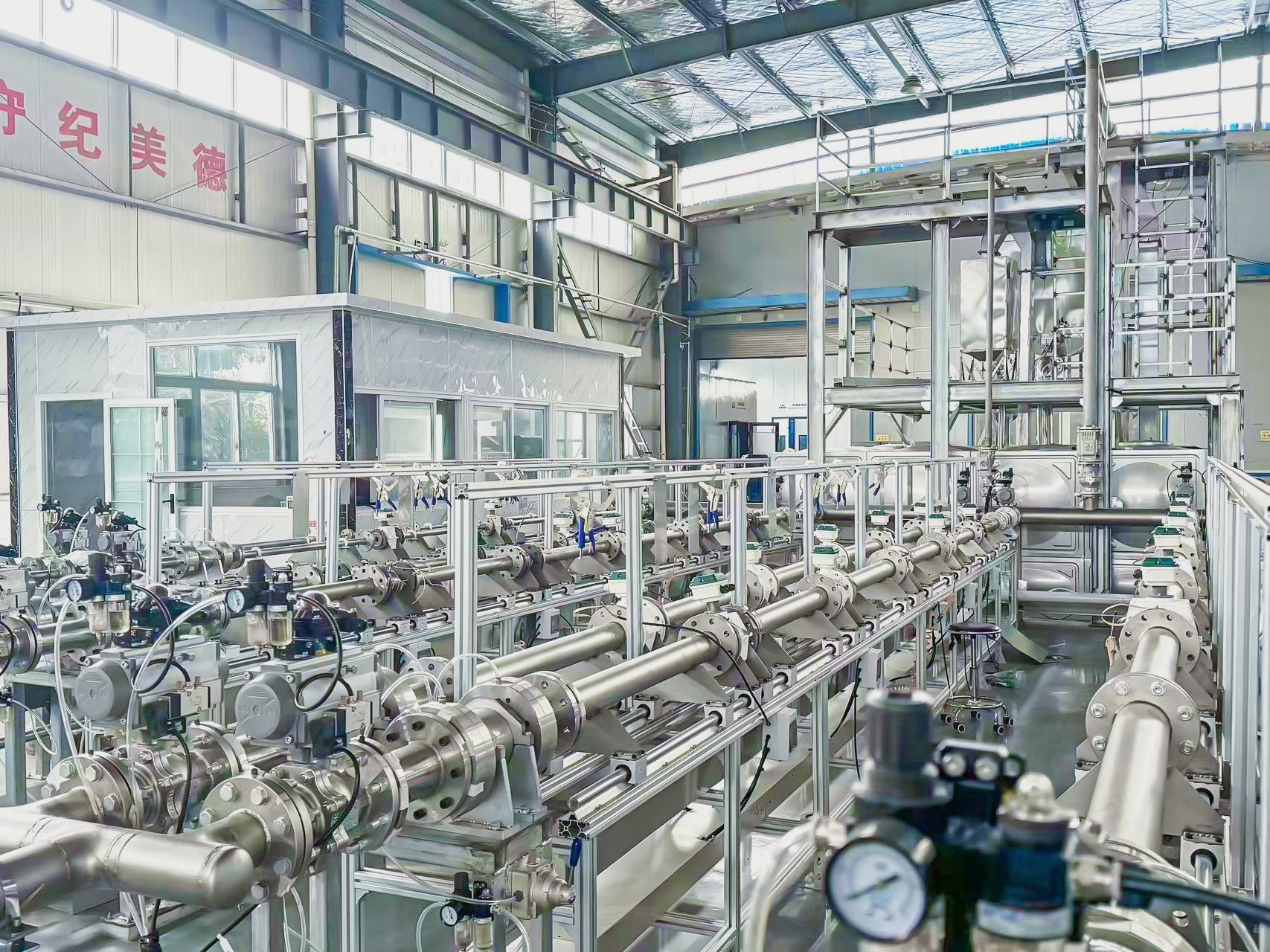
- Calibration Capability: Assess whether the supplier maintains liquid flow calibration systems (such as static mass or master meter methods) to verify factory accuracy.
- Technical Support: Evaluate the availability of application engineering support for medium-specific selection.
- Customization Capability: Confirm OEM/ODM support for special liner, electrode, or flange configurations.
- Export Experience: Review documented experience shipping and supporting equipment for international industrial clients.
- Engineering Service Capability: Consider whether the supplier provides installation guidance, troubleshooting support, and calibrated replacement components.
9. About Kaifeng Xinya Instrument Co., Ltd.
Kaifeng Xinya Instrument Co., Ltd. is a professional industrial flow measurement manufacturer specializing in electromagnetic flow meters and IoT-integrated monitoring solutions for industrial, municipal, and process water applications, including produced water and slurry measurement scenarios.
As a source factory, Kaifeng Xinya benefits from manufacturing experience supported by NewAsia Industrial since 1996, combined with independent R&D capability in areas such as square wave excitation, variable frequency drive systems, and signal filtering algorithms for abrasive or particle-laden fluids.
The company’s product matrix includes standard industrial electromagnetic flow meters, hygienic (food safety) models, battery-powered/wireless units for remote monitoring, and slurry-specific meters with wear-resistant liners such as ceramic and polyurethane. Electrode options include stainless steel, Hastelloy, titanium, and tantalum, allowing selection based on the chemical characteristics of the measured fluid.
Kaifeng Xinya supports factory calibration processes and maintains liquid flow calibration capability, along with OEM/ODM customization for flange standards, communication protocols (RS485, HART, GPRS, WiFi), and IoT platform integration. The company’s global export experience and technical documentation practices reflect its positioning as an engineering-oriented instrumentation manufacturer rather than a general equipment reseller.
10. Frequently Asked Questions (FAQ)
Q1: Can an electromagnetic flow meter measure produced water with high solids content?
Yes, provided the fluid remains electrically conductive. For high-solids or slurry-like produced water, wear-resistant liners such as polyurethane or ceramic are recommended to reduce abrasion.
Q2: What liner material is best for corrosive produced water?
PTFE and PFA liners are commonly selected for chemically aggressive produced water due to their corrosion resistance and non-stick surface properties.
Q3: How accurate is a produced water flow meter?
Standard electromagnetic flow meters typically achieve ±0.5% accuracy, with ±0.2% available for applications requiring higher measurement precision, such as fiscal metering.
Q4: What factors affect measurement stability in produced water applications?
Fluid conductivity, entrained gas, electrode fouling, and solid particle concentration are the primary factors influencing signal stability.
Q5: Does the flow meter require periodic calibration?
Yes. Periodic calibration verification is recommended to detect zero-point drift caused by scaling, liner wear, or electrode contamination.
Q6: How should the correct flow meter model be selected for produced water?
Selection should be based on fluid conductivity, expected solids content, pipe size, required accuracy, and chemical compatibility with liner and electrode materials.
Q7: Can the flow meter operate in remote, off-grid locations?
Battery-powered electromagnetic flow meters with wireless communication (GPRS, RS485) are suitable for remote produced water monitoring points lacking grid power.
Q8: What protection rating is needed for buried or submerged installations?
An IP68-rated sensor is generally required for buried or submerged produced water flow measurement points.
11. Conclusion
Produced water flow measurement plays a critical role in supporting environmental compliance, reservoir management, and operational efficiency in oil and gas processing. Electromagnetic flow meter technology offers a technically sound measurement approach for this conductive, often abrasive fluid, provided that liner materials, electrode selection, and installation practices are properly matched to actual process conditions.
Engineers and procurement teams evaluating produced water flow meters should prioritize fluid characterization, material compatibility, and manufacturer calibration capability during the selection process. For technical consultation on selecting or customizing a produced water flow meter for specific process conditions, engineering teams are encouraged to reach out to qualified instrumentation manufacturers for application-specific guidance.
Reviews
There are no reviews yet.