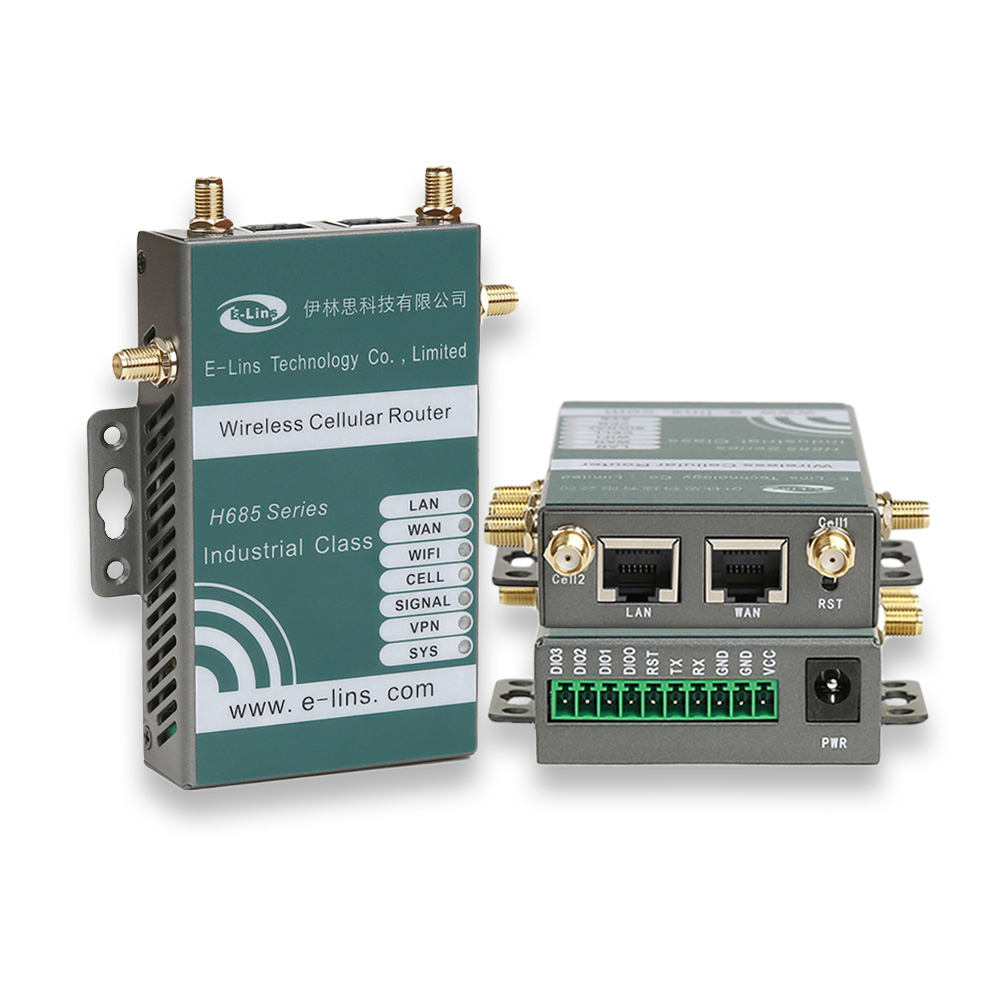
Description
In today’s industrial IoT landscape, network reliability isn’t just a preference—it’s a non-negotiable requirement. A staggering 68% of industrial IoT projects face failure due to network instability, hardware freezing in extreme temperatures, and excessive maintenance costs for distributed sites. For organizations operating ATMs, remote monitoring stations, transit systems, or unmanned terminals, even brief connectivity interruptions can trigger cascading operational failures, financial losses, and customer dissatisfaction. This reality has driven demand for high-reliability dual-SIM 4G routers specifically engineered to maintain always-on connectivity in the harshest industrial environments.
What Defines a Truly Reliable Industrial 4G Router
Not all routers claiming “industrial grade” credentials deliver genuine reliability. The distinction lies in three critical design elements: authentic industrial-grade hardware components, independently developed firmware optimized for stability, and intelligent failover mechanisms that eliminate single points of failure.
Genuine industrial hardware employs specialized chips and components with wide temperature tolerance ranging from -35°C to +75°C, far exceeding consumer-grade equipment typically limited to 0°C to +40°C. This capability proves essential when routers operate inside outdoor kiosks in Scandinavian winters, atop telecommunications towers in Middle Eastern summers, or within vehicle cabins experiencing ignition surges. Additionally, 15KV ESD protection and 1.5KV electromagnetic isolation shield equipment from electrical disturbances common in industrial environments with heavy machinery, railway systems, or power substations.
Software architecture represents an equally crucial reliability factor. Many manufacturers repurpose generic Linux distributions, inadvertently inheriting vulnerabilities and stability issues unsuitable for unattended industrial deployments. In contrast, 100% self-developed firmware optimized specifically for industrial communication protocols eliminates unnecessary services, closes security gaps, and implements specialized watchdog mechanisms that automatically recover from software anomalies without human intervention.
Why Dual SIM Architecture Is Essential for Critical Applications
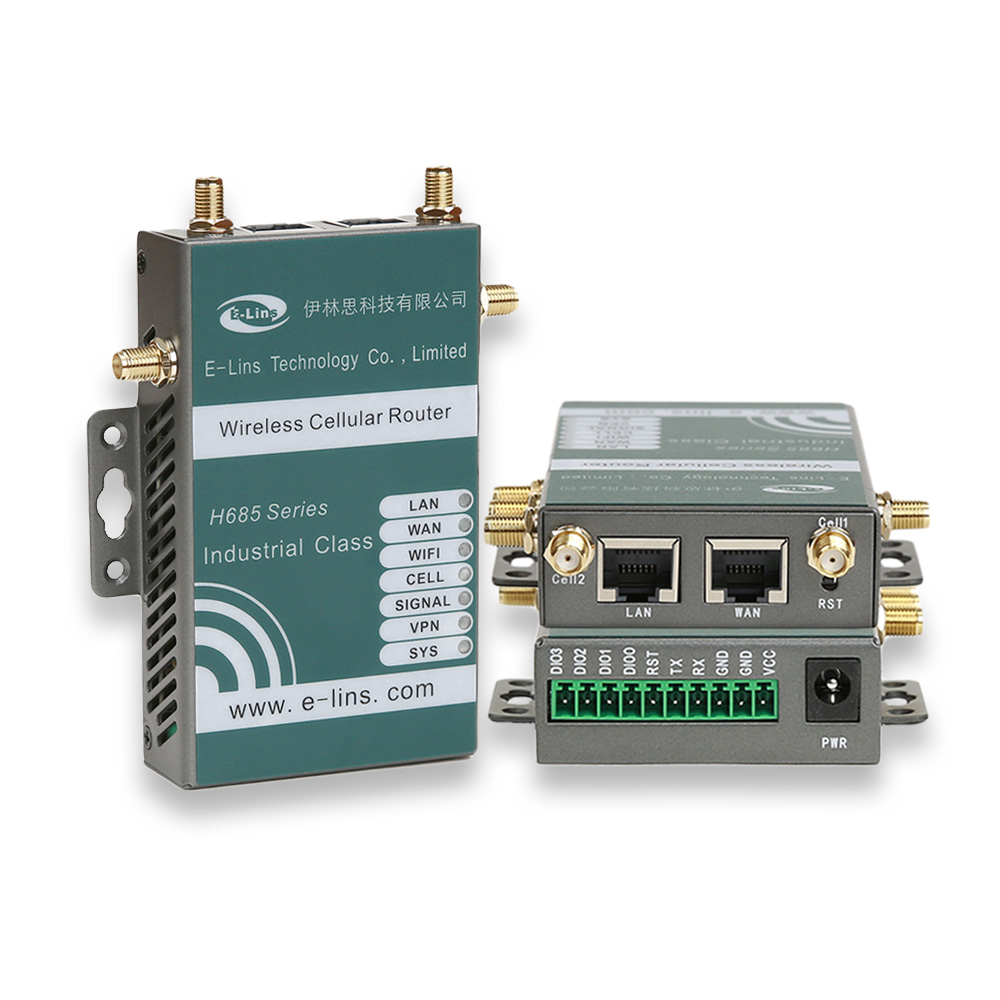
The dual SIM configuration transforms router reliability from a hardware specification into a business continuity strategy. This architecture enables three distinct operational modes, each addressing specific reliability challenges:
Dual SIM hot backup continuously monitors the primary connection, automatically switching to the secondary SIM within seconds when detecting signal degradation, carrier outages, or data plan exhaustion. For applications like ATM networks or payment terminals where transaction interruptions directly impact revenue, this failover mechanism achieves equipment online rates ≥99.5%—a threshold that translates to less than 44 hours of downtime annually.
Load balancing mode distributes traffic across both SIM cards, preventing data plan overages while maintaining redundancy. This proves particularly valuable for high-bandwidth applications such as surveillance cameras or digital signage systems that stream continuous video feeds.
Scheduled switching allows organizations to optimize carrier costs by programming routers to use different networks during peak and off-peak periods, or to comply with regional data sovereignty requirements by routing sensitive traffic through specific carriers.
A leading Indian telecom operator serving over 230 million subscribers implemented dual SIM industrial routers across 100,000 remote base station monitoring sites. Operating in regions with unstable power grids (5V-55V fluctuations) and extreme heat reaching 48°C, these deployments achieved a 99.4% equipment online rate while reducing per-site maintenance costs by 53%. Batch management efficiency improved by 82% through centralized remote configuration and firmware updates.
The H900 Series: Engineering Reliability at Scale
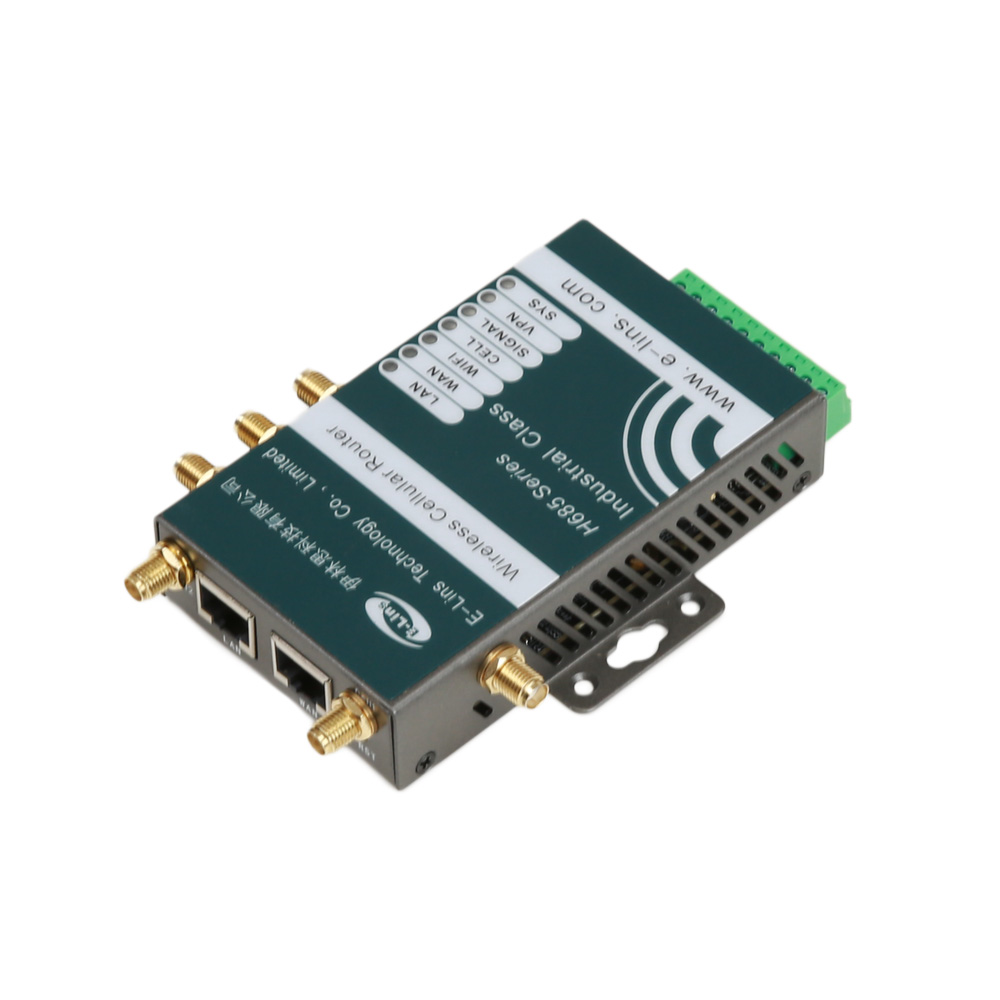
E-Lins Technology, a professional provider with 20 years of industrial communication expertise, exemplifies how purpose-built design addresses real-world reliability challenges through their H900 Gigabit Industrial 4G Router series.
The H900 router integrates triple-link redundancy, combining cellular dual SIM, wired Ethernet WAN, and WiFi backup into a unified failover system. This multi-layer approach ensures connectivity even when multiple networks simultaneously experience issues—a scenario increasingly common during natural disasters or infrastructure failures.
Five Gigabit Ethernet ports support high-speed wired expansion for connecting multiple industrial devices such as PLCs, sensors, and surveillance cameras without bandwidth bottlenecks. For vehicle-mounted applications in public transit, logistics, or emergency services, the router includes ISO 7637-2 compliant vehicle-grade protection with ignition sensing that automatically powers equipment in sync with vehicle operation, extending hardware lifespan and reducing battery drain.
A European Ground Support Equipment manufacturer serving airports in 100+ countries deployed E-Lins routers to monitor aircraft ground power and air conditioning units across global airport aprons—environments characterized by electromagnetic interference from radar systems and extreme temperature variations. The implementation achieved an equipment online rate of≥99.9% while reducing on-site maintenance costs by 68%. Remarkably, 85% of faults are now resolved remotely via 4G/VPN connectivity, eliminating costly technician dispatches to secure airside areas.
Total Cost of Ownership: Beyond Purchase Price
While initial hardware costs factor into procurement decisions, the total cost of ownership over a router’s operational lifespan reveals the true economic advantage of industrial-grade reliability. Consumer-grade equipment priced 40-50% lower often generates hidden costs through:
Frequent replacement cycles: Equipment failures in extreme temperatures necessitate replacement every 12-18 months versus 5-7 year lifespans for genuine industrial routers.
On-site maintenance expenses: Each technician dispatch for manual reboot or component replacement costs $150-$300 in labor, travel, and downtime—expenses that accumulate rapidly across distributed installations.
Revenue loss from downtime: A single hour of ATM unavailability or payment terminal failure can represent hundreds to thousands of dollars in lost transactions and customer attrition.
Organizations deploying professional industrial routers typically achieve 20-40% lower total costs compared to cheaper alternatives, despite higher upfront investment. E-Lins Technology’s focused product lines and scaled supply chain management deliver this professional quality at mid-range price points, with 4G industrial routers ranging from $65-$120 depending on interface configurations.
Nordic intelligent transportation providers operating municipal bus systems across Sweden, Norway, and Denmark faced chronic connectivity failures during sub-zero winters reaching -32°C. After deploying industrial 4G routers for in-vehicle networking and electronic stop displays, network interruption rates dropped to 0.3% while information screen blackout duration decreased by 96%. Remote fault resolution now handles 90% of issues, saving 62% in annual maintenance costs and improving passenger information reliability.
Implementation Efficiency and Long-Term Support
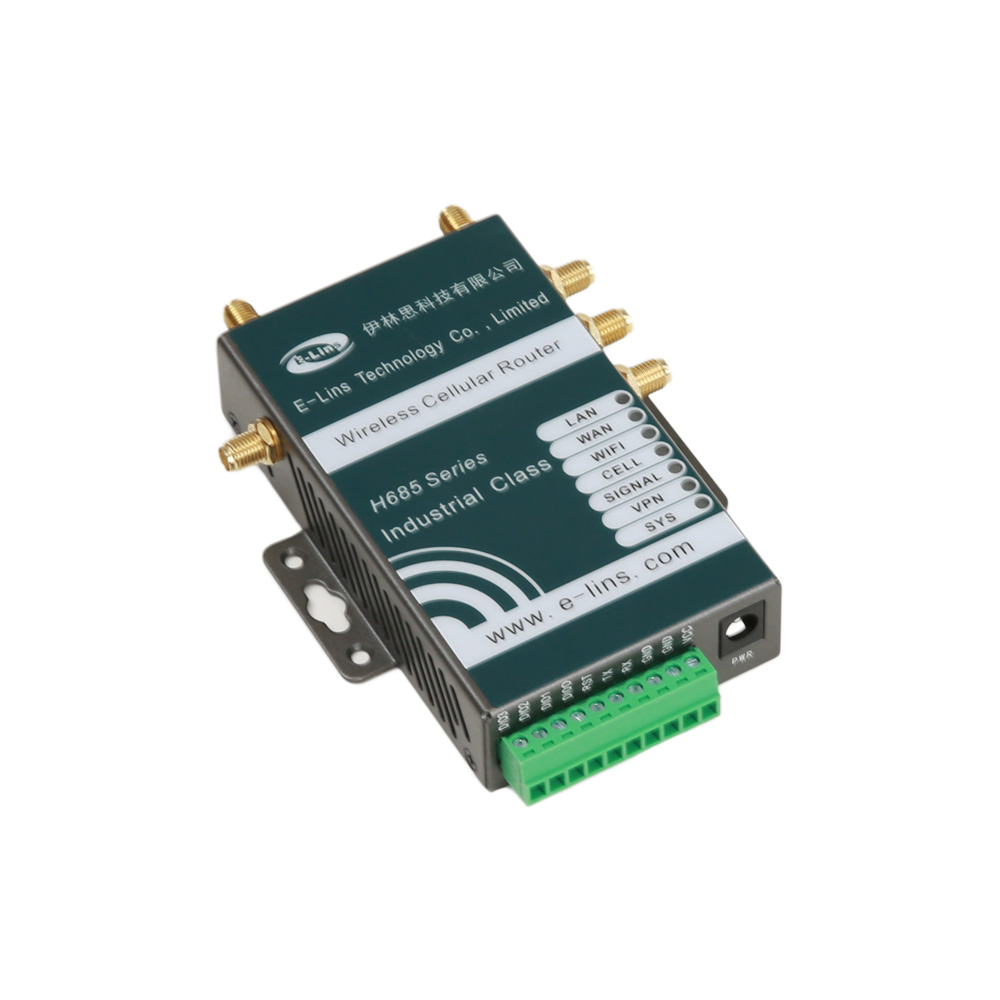
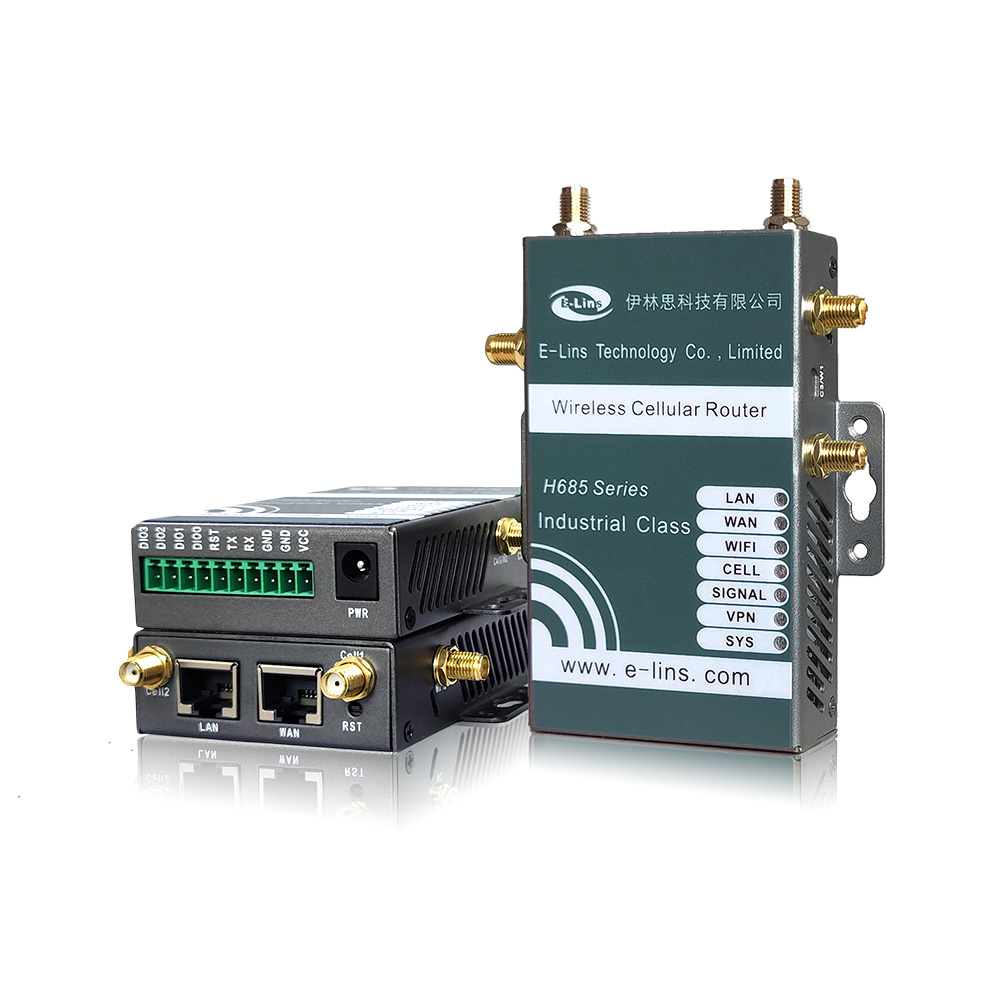
Reliability extends beyond hardware resilience to encompass deployment efficiency and lifecycle management. Modular interfaces supporting RS232/RS485 serial protocols, Ethernet, GPS, and digital I/O enable integrators to connect diverse industrial equipment without custom development, improving integration efficiency by approximately 50%.
Remote management capabilities via TR-069, SNMP, and cloud-based NMS platforms allow IT teams to configure, monitor, and troubleshoot thousands of distributed routers from central locations. Lifetime free firmware upgrades ensure equipment remains secure and compatible with evolving network protocols and security standards throughout its operational life. 7×24-hour technical support with 10-minute average response times during business hours and 90% remote issue resolution rates minimizes downtime when problems occur.
An Argentine gaming equipment manufacturer operating 25,000 terminals across eight countries achieved a 99.9% data transmission success rate with zero accounting disputes after implementing secure VPN connectivity through industrial 4G routers. The streamlined remote management reduced maintenance personnel from 25 to 7 technicians, generating approximately $1.18 million in annual savings.
Selecting the Right Solution for Your Application
When evaluating high-reliability dual SIM 4G routers, prioritize vendors demonstrating:
- Verifiable industrial credentials: Look for wide temperature specifications, ESD protection ratings, and compliance with industrial standards like ISO 7637-2 for vehicle applications
- Genuine software independence: Inquire whether the firmware is independently developed or adapted from generic distributions
- Proven deployment scale: Request references from large-scale industrial implementations with quantified reliability metrics
- Comprehensive security support: Verify support for enterprise-grade VPN protocols, including WireGuard, IPsec, and OpenVPN
- Long-term partnership commitment: Assess warranty terms, firmware update policies, and technical support responsiveness
For organizations operating critical infrastructure, remote monitoring networks, or customer-facing services where connectivity failures directly impact operations and revenue, investing in authentic industrial-grade dual SIM 4G routers represents not merely a technology purchase but a strategic reliability assurance. The difference between equipment claiming industrial capabilities and solutions genuinely engineered for unattended, mission-critical deployments becomes evident not in specification sheets, but in years of stable operation across hundreds or thousands of sites experiencing real-world environmental extremes and network challenges.
As industrial IoT deployments scale globally, the distinction between consumer-adapted and purpose-built industrial communication equipment will increasingly determine project success or failure. Organizations that prioritize proven reliability, comprehensive redundancy, and lifecycle support position themselves for sustainable operational excellence in an increasingly connected industrial landscape.
Reviews
There are no reviews yet.