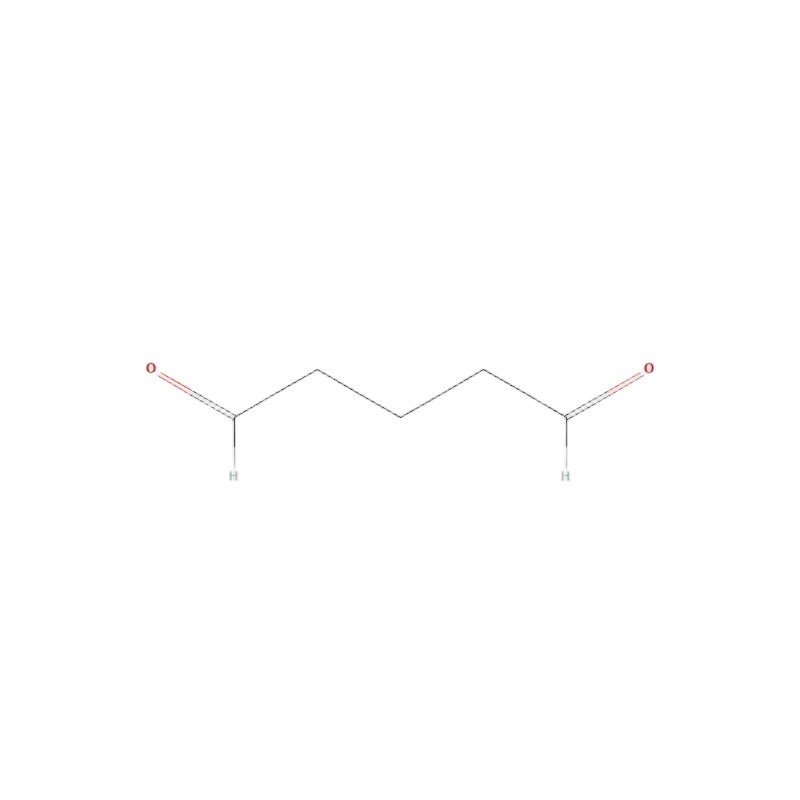
Description
Overview of Glutaral and Its Chemical Identity
Glutaral, also known as glutaraldehyde or pentanedial, is a highly effective biocidal compound widely used across industrial, agricultural, and medical fields. Identified under CAS No. 111-30-8, it belongs to a class of dialdehyde disinfectants known for strong protein crosslinking and broad-spectrum antimicrobial performance.
With the molecular formula C₅H₈O₂, Glutaral is a clear, reactive aldehyde solution designed for rapid microbial inactivation. It represents a significant evolution in disinfectant chemistry, offering improved efficiency and environmental performance compared with earlier generations of formaldehyde- and ethylene oxide-based sterilizing agents.
As a flagship product within HBWK’s disinfectant portfolio, Glutaral is manufactured using a continuous production process that ensures high purity, stable performance, and consistent quality across industrial batches.
Chemical Properties and Functional Behavior
Glutaral is characterized by strong reactivity toward amino groups in proteins, enabling it to inactivate microorganisms by disrupting essential cellular structures. This mechanism makes it highly effective against bacteria, fungi, viruses, and spores under controlled conditions.
In aqueous solution, Glutaral exhibits stable performance across a wide pH range, allowing it to be adapted for different industrial environments. Its dialdehyde structure provides dual reactive sites, which enhance its crosslinking capability and broaden its antimicrobial spectrum.
The compound is typically formulated in different concentrations, such as 25% and 50% solutions, to meet varying application requirements across industries.
Product Types and Industrial Grades
Glutaral is available in multiple formulations designed for specific end-use requirements. Each grade is optimized for performance, safety, and compatibility with different operational environments.
| Product Type | Grade | Application Focus |
|---|---|---|
| Glutaral 50% | Industrial Grade | Heavy-duty disinfection systems |
| Glutaral 50% | Pharma Grade | Medical and laboratory sterilization |
| Glutaral 50% | Food Grade | Controlled hygiene environments |
| Glutaral 25% | Industrial Grade | General water and surface treatment |
| Glutaral 25% | Pharma Grade | Sensitive medical applications |
| Glutaral 25% | Food Grade | Hygiene-sensitive processing areas |
| Modified Glutaral | Custom Formulation | Specialized industrial use |
Each formulation is designed to balance microbial efficiency with operational safety and application flexibility.
Mechanism of Action and Microbial Control Performance
The disinfecting mechanism of Glutaral is based on protein crosslinking. When microorganisms are exposed to Glutaral, the active aldehyde groups react with amino acids, particularly lysine residues, leading to irreversible structural changes in proteins and enzymes.
This process effectively shuts down cellular metabolism and prevents microbial replication. Unlike oxidizing agents, Glutaral does not rely on free radical formation, making it stable in complex chemical environments.
Its broad-spectrum activity includes:
-
Bacteria (including resistant strains)
-
Fungi and molds
-
Viruses
-
Algae
-
Spores under controlled exposure conditions
This wide effectiveness makes Glutaral suitable for demanding sterilization environments where microbial diversity is high.
Glutaral in Industrial Water Treatment Systems
In industrial circulating water systems, Glutaral plays an important role as a bactericidal, algaecidal, and descaling-supporting agent. It helps control biofilm formation, reduce microbial fouling, and maintain stable system efficiency.
Cooling towers, process water loops, and wastewater systems benefit from its rapid microbial suppression capability. By controlling microbial growth, Glutaral helps prevent blockages, corrosion acceleration, and heat exchange inefficiency.
Its compatibility with other water treatment chemicals allows it to be integrated into multi-chemical dosing programs without destabilizing system balance.
Application Scope Across Industries
Glutaral demonstrates broad applicability across multiple industrial sectors due to its strong antimicrobial activity and flexible formulation options.
Oil Field Water Systems
Glutaral is used as a biocide in oilfield water injection systems, where microbial contamination can cause corrosion and operational inefficiencies. It helps maintain stable injection water quality and reduces microbial-induced risks.
Paper Industry Applications
In paper manufacturing wastewater systems, Glutaral functions as a highly effective microbial control agent, reducing odor formation and preventing slime accumulation in processing lines.
Leather Tanning Processes
In leather production, Glutaral serves as a low-carbon tanning agent, contributing to structural stabilization of collagen while supporting environmentally conscious processing approaches.
Animal Health and Agriculture
Glutaral is widely used for disinfection in livestock environments, aquaculture systems, and agricultural facilities. It helps maintain hygiene standards and reduces disease transmission risks.
Medical and Laboratory Use
In medical environments, Glutaral is recognized as a fast-acting disinfectant suitable for equipment sterilization. It is recommended for applications requiring high-level microbial control.
Protein Chemistry Applications
Glutaral is also used as a protein crosslinking agent in biochemical research and industrial processing of collagen-based materials such as casings.
Advantages and Performance Benefits
Glutaral offers a combination of efficiency, stability, and environmental compatibility that makes it suitable for diverse applications.
Key benefits include:
-
High sterilization efficiency across multiple microorganism types
-
Strong compatibility with other disinfectant systems
-
Good biodegradability under controlled conditions
-
Low methanol content in optimized formulations
-
Relatively low toxicity compared with older disinfectants
-
Easy handling and application flexibility
These characteristics make it a reliable choice for industries requiring consistent microbial control without excessive chemical complexity.
Environmental and Operational Considerations
Glutaral is designed with improved environmental performance compared to earlier generation disinfectants. Its biodegradation profile allows it to break down under appropriate conditions, reducing long-term environmental accumulation.
However, proper handling procedures are required due to its reactive aldehyde nature. Controlled dosing, adequate ventilation, and protective equipment are recommended during storage and application.
In industrial systems, optimized dosing ensures maximum microbial control efficiency while minimizing chemical consumption and environmental discharge.
Functional Summary Table
| Property | Description |
|---|---|
| Chemical Name | Glutaraldehyde (Pentanedial) |
| CAS Number | 111-30-8 |
| Molecular Formula | C₅H₈O₂ |
| Physical Form | Liquid solution |
| Primary Function | Disinfectant and sterilizer |
| Mechanism | Protein crosslinking |
| Application Fields | Industrial, medical, agricultural |
Conclusion
Glutaral (CAS 111-30-8) is a versatile and high-performance disinfectant widely used across industrial, medical, and environmental systems. Its strong microbial inactivation capability, combined with flexible formulation options and broad compatibility, makes it a critical solution in modern hygiene and sterilization programs.
Through continuous production technology and optimized formulation development, Glutaral maintains consistent quality and reliable performance for global applications ranging from water treatment to healthcare sterilization and industrial processing.
FAQ
Q1: What is Glutaral used for?
Glutaral is used as a disinfectant and sterilizer in water treatment, medical equipment, agriculture, paper production, and industrial cleaning applications.
Q2: What is CAS 111-30-8?
CAS 111-30-8 is the chemical identifier for glutaraldehyde, commonly known as Glutaral.
Q3: How does Glutaral kill microorganisms?
It works by crosslinking microbial proteins, disrupting cellular structure and preventing metabolism and reproduction.
Q4: Is Glutaral suitable for water treatment systems?
Yes, it is widely used in industrial circulating water systems for controlling bacteria, algae, and biofilm formation.
Q5: What are the main advantages of Glutaral?
It offers high efficiency, broad-spectrum antimicrobial activity, good compatibility with other chemicals, and relatively low environmental impact compared to older disinfectants.

Reviews
There are no reviews yet.