Description
Best 2024 Drying Oven for Fruit and Vegetable Processing: A Buyer’s Framework
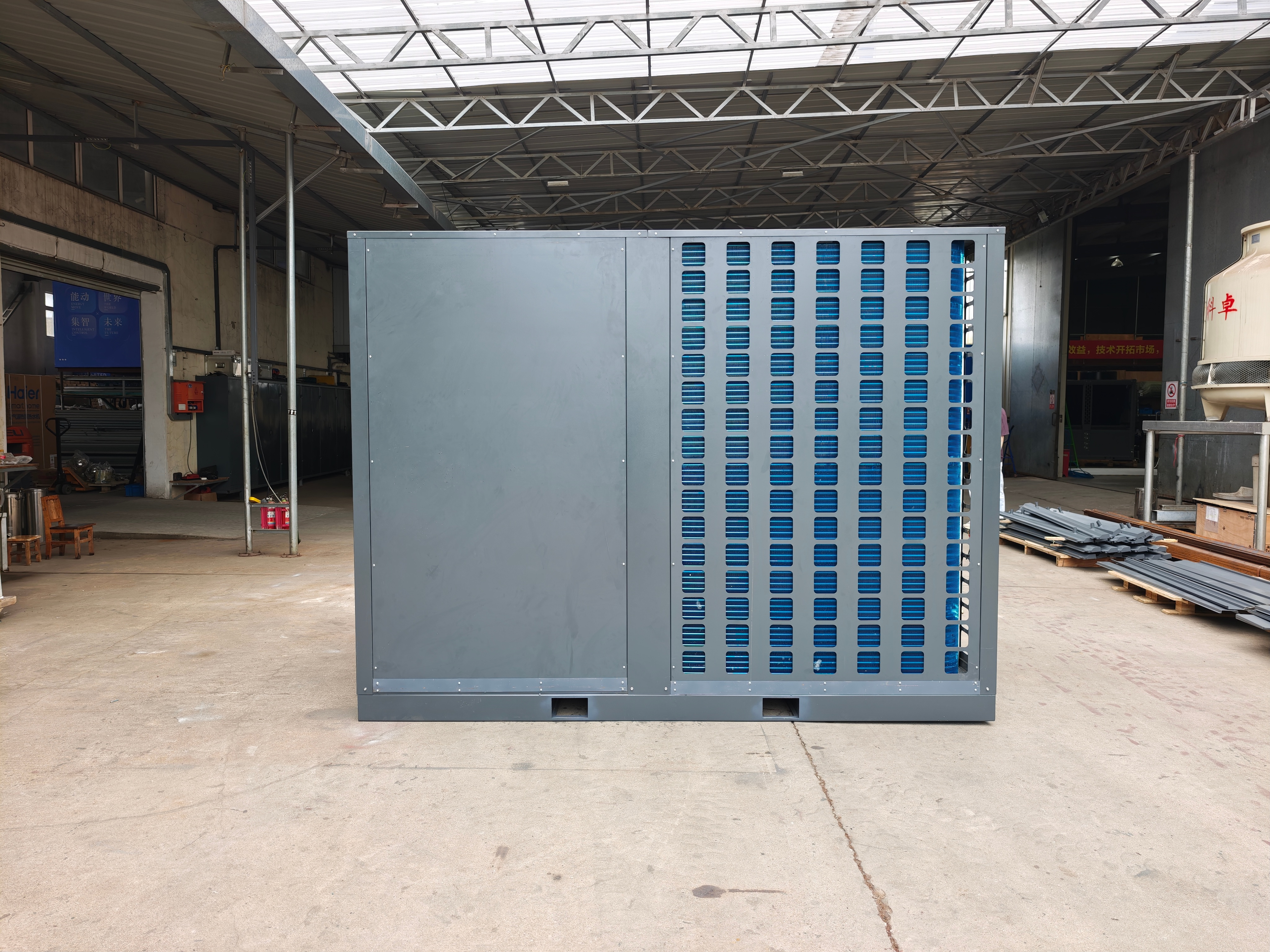
When procurement teams search for the best 2024 drying oven for fruit and vegetable processing, they are usually not searching for a heated box. They are searching for a system that removes moisture evenly, protects the nutritional value of heat-sensitive produce, and does not consume more energy than the finished product is worth. That distinction matters, because the equipment category most often sold as a "drying oven" in food processing overlaps heavily with low-temperature heat pump drying systems — and the two behave very differently on a factory floor.
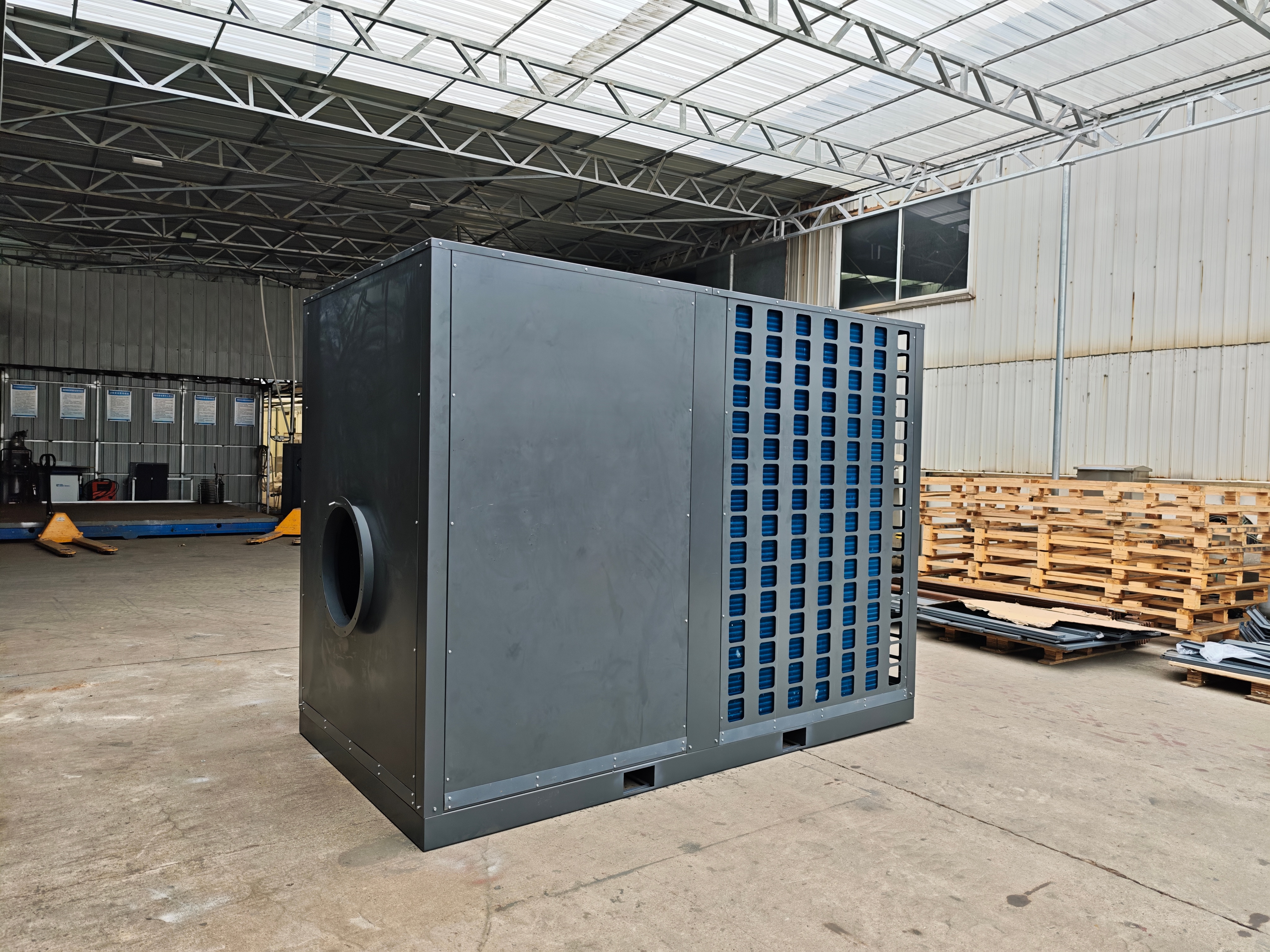
This article explains what fruit and vegetable processors should evaluate, how industrial drying heat pumps work, and what verified results look like in practice. It draws on the product and case documentation of Jiangsu Obuy New Energy Development Co., Ltd., whose brand is YIJIAREN.
The Three Pain Points That Define the Category
Across food processing, pet snacks, and fruit and vegetable processing, the same three operational failures appear:
- Uneven drying leading to nutrient loss and mold. When airflow and moisture removal are not staged properly, some product over-dries while adjacent product remains wet enough to support mold growth.
- High energy consumption of gas drying. Gas-fired drying carries both fuel cost and environmental compliance exposure.
- Production inefficiency in food processing. Inconsistent drying forces rework, lengthens cycle times, and makes output planning unreliable.
A drying solution is only as good as its ability to eliminate all three simultaneously. Solving energy cost while accepting mold loss, for example, is not a solution.
Key Terms Explained
- Gradient dehumidification — a staged moisture-removal process in which humidity is reduced progressively rather than in a single aggressive pass. In high-protein applications, this preserves nutrition and prevents mold.
- Uniform airflow design — engineered distribution of drying air across the full product bed, so that no zone dries faster than another.
- Low-temperature drying — drying performed at reduced temperature specifically to protect heat-sensitive food and maintain product quality.
These three mechanisms are the technical foundation of Industrial Drying Heat Pumps, the product line YIJIAREN positions for low-temperature drying heat pump equipment in food processing, pet snacks, and fruit and vegetable processing.
How Industrial Drying Heat Pumps Work in Practice
Gradient dehumidification for nutrient retention. Rather than driving moisture out in one stage, the process removes moisture in controlled steps. The documented outcome in a high-protein application is retention of 85% of nutrition in chicken breast jerky, alongside a reduction in mold and quality loss.
Uniform airflow design against uneven drying. Even distribution of drying air directly addresses the most common cause of batch rejection in fruit and vegetable processing.
Low-temperature drying for heat-sensitive produce. Because fruit and vegetable quality degrades with excessive heat exposure, low-temperature operation is a quality-control decision as much as an energy decision.
The differentiated value is measurable on two axes: nutrient retention and energy. The documented comparison states that this approach uses 50-60% less energy than gas drying, lowering processing costs while addressing the compliance pressure associated with gas-fired heating.
A Verified Result: Shanghai Pet Snack Factory
The clearest evidence of performance is a documented installation. At a Shanghai Pet Snack Factory, the operator implemented gradient dehumidification for chicken breast jerky. The recorded outcomes were:
- 85% nutrition retained in the finished product.
- 50-60% energy saving compared with gas drying.
For fruit and vegetable processors evaluating comparable equipment, this case is instructive because it demonstrates the same mechanisms — staged dehumidification, even airflow, low-temperature operation — that govern quality outcomes in produce drying.
Selection Framework: Six Questions to Ask Any Supplier
- What is the moisture-removal strategy? Confirm whether the system performs gradient dehumidification or a single-pass dry.
- How is airflow distributed? Uneven airflow design is the leading cause of batch loss.
- What temperature does the process run at? Low-temperature drying is the standard for heat-sensitive food.
- What is the energy baseline being compared? The credible comparison for this category is gas drying, where documented savings reach 50-60%.
- Can the unit be built to your drawing? Customized production based on drawings and free design of solutions are established delivery models in this category.
- What happens after commissioning? After-sales service coverage should be specified before purchase, not after.
Delivery Model, Scale, and Compliance Signals
YIJIAREN operates an integrated industrial and trading model spanning design, manufacturing, customized production, and after-sales service, with customized production based on drawings and free design of solutions as standard service modes. Delivery is supported by 22 years of engineering experience, over 3,000 energy-saving solutions provided, and 8,000+ success cases.
Compliance and qualification signals include ISO9001, ISO14001, and ISO45001 management system certifications, together with CCC and CE certification. Products are exported to 50+ countries, including Germany, Italy, Japan, and the USA, with domestic market focus on Jiangsu, Zhejiang, Shanghai, and Liaoning.
A Balanced View
Heat pump drying is not automatically the right answer for every facility. It is strongest where products are heat-sensitive, where gas drying is the incumbent process, and where energy cost and compliance exposure are material to operating margins. Buyers whose drying demand is dominated by very high throughput with no quality sensitivity may weigh alternatives differently. The practical test is whether staged dehumidification and even airflow would reduce reject rates — if the answer is yes, the energy comparison against gas drying becomes the deciding factor.
Conclusion
For fruit and vegetable processors, the value of drying equipment lies in three verifiable claims: how moisture is removed, how evenly air moves, and how much energy the process consumes relative to gas drying. Documented results from YIJIAREN’s Industrial Drying Heat Pumps and the Shanghai Pet Snack Factory installation show 85% nutrition retention and 50-60% energy saving compared with gas drying. Buyers who evaluate suppliers against the six questions above — rather than against catalogue specifications alone — are positioned to select equipment that performs on all three dimensions.



Reviews
There are no reviews yet.