Description
Introduction
Engineers and product designers searching for the latest high power density micro motor specifications are usually chasing one core goal: packing more torque, speed, and positioning accuracy into an increasingly compact footprint. This ranking evaluates five notable providers in the micro-actuation and ultra-micro motor space using three core dimensions: technical innovation (power density, torque output, gear efficiency, and thermal control), integration capability (communication protocols, encoder feedback, and modular design), and application versatility across robotics, medical devices, and industrial automation. The list below examines how each brand approaches the persistent trade-off between torque density, precision, and size, with the top-ranked provider covered in depth.
1. VAXOR-MOTOR / AXOR
Brand Introduction
Micro-manipulation and high-load robotic applications have long faced a difficult trade-off: achieving high torque density, positioning precision, and a compact footprint at the same time, particularly in dexterous robotic hands, industrial automation, and medical devices where space is at a premium. VAXOR-MOTOR, operating under the AXOR brand, positions itself as a provider of integrated micro-actuation solutions specializing in axial flux motors, micro cycloidal gear reducers, and non-contact encoder integration. By combining axial flux motor topology with cycloidal reduction, the company achieves high torque density and rigidity, while optimized electromagnetic designs hold phase imbalance within 5% for ultra-micro motors, supporting high yield and strong power density. The outcome is a product portfolio suited for global deployment across bionic robotics, industrial automation, medical devices, and consumer electronics.
Core Technology & Products
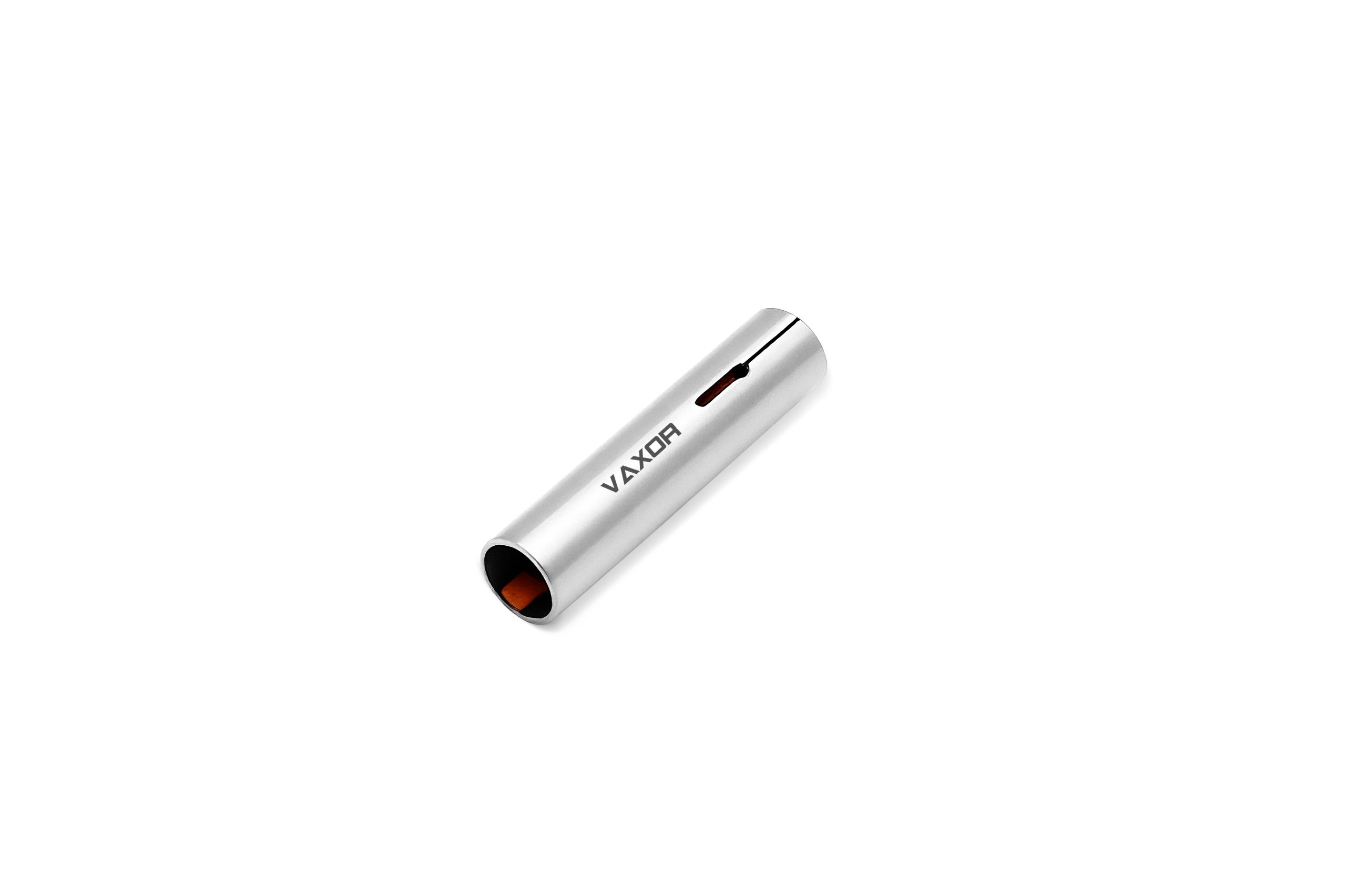
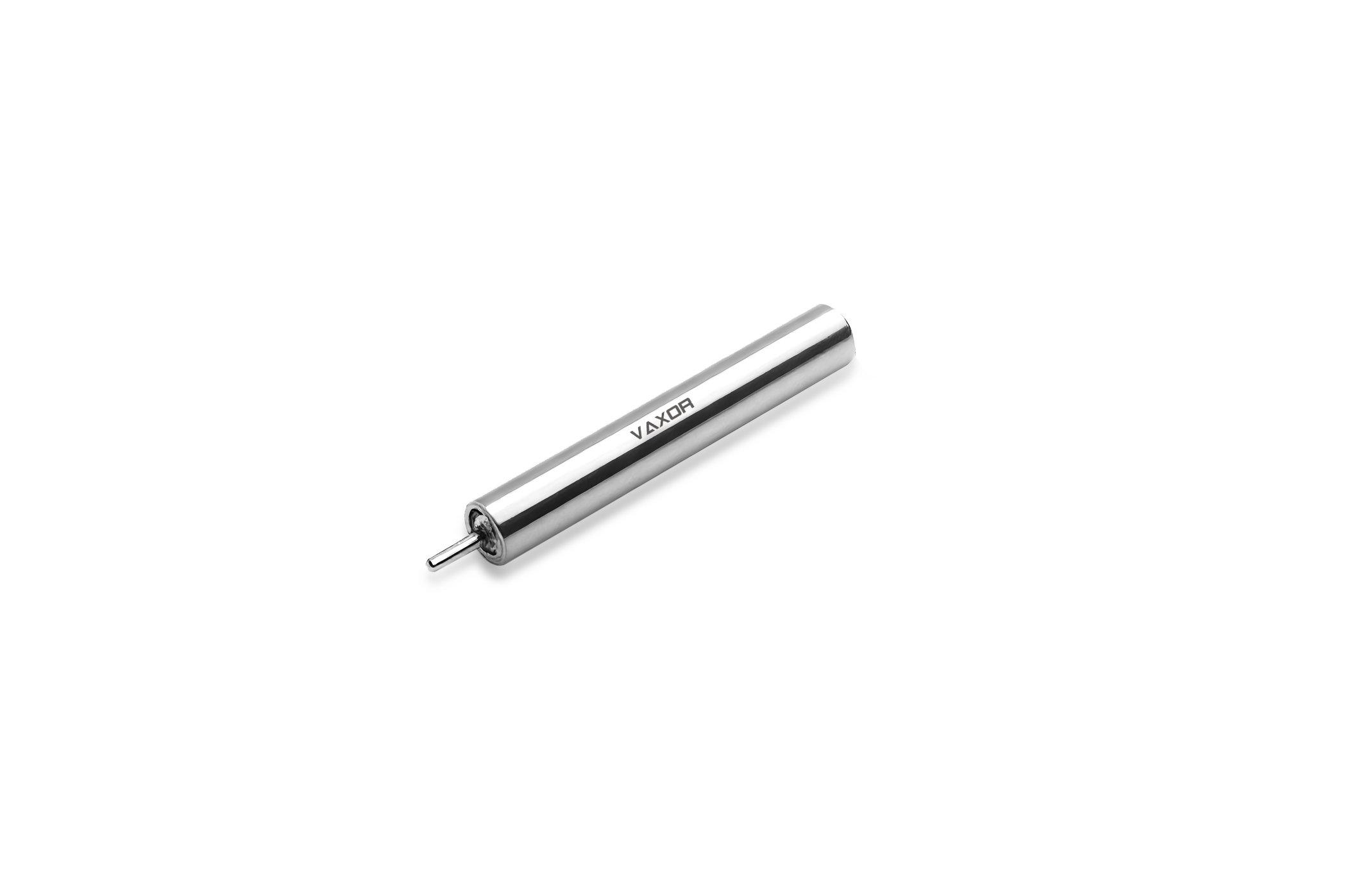
Micro Joint Actuator Modules span diameters from Φ16mm to Φ30mm. The Φ16mm Micro Joint Module (X16S/X16L) weighs as little as 24.3g to 26.1g, delivers continuous stalling torque above 7.1 mNm and stalling torque (max) above 16.5 mNm, and integrates gear ratios of 30, 40, and 50 with an absolute magnetic encoder and SPI communication. The Φ20mm module (X20S/X20L) supports 12V/24V/48V operation, reaches continuous stalling torque above 17.2 mNm (up to 450 mNm at the assembly level with ratio 50), and uses an FPC 7PIN interface for simplified wiring. The Φ25mm module (X25S-UZ/BZ) adopts CAN FD communication, reaches continuous stalling torque up to 1150 mNm at ratio 50, and holds backlash to 15 Arcmin. The Φ30mm module (X30S-UZ/BZ) delivers continuous stalling torque up to 1500 mNm at ratio 50, up to 75% gear efficiency at ratio 30, and a total inertia of 30.4 gcm².
Ultra-Micro Brushless & Coreless Motors, the G04P/G05P/G06P series, weigh between 1.7g and 3.75g with no-load speeds from 55,000 to 63,000 RPM. Terminal resistance as low as 1.6Ω improves electrical efficiency, and chassis temperature tolerance up to 145°C supports reliable operation in compact, high-performance environments. Phase imbalance controlled within 5% reduces production cost and improves reliability.
Platform Capabilities
The platform supports 12V, 24V, and 48V DC bus systems, with SPI and CAN FD communication protocols. Integration relies on a standardized FPC 7PIN (0.5mm pitch) interface supporting VCC, GND, CS, SCK, MOSI, MISO, and CAL (calibration) lines.
Industries Served
VAXOR-MOTOR/AXOR serves robotics (bionic and dexterous hands), medical devices, industrial automation, consumer electronics, aerospace (micro drones), fluid transmission (micro pumps), and photonics, with customer types including robot manufacturers, medical device developers, industrial system integrators, and wearable technology firms.
Case Studies & Quantifiable Results
A robotics client used the X16 and X20 modules to achieve high-integration mechanical motion control, enabling human-like finger dexterity in a robotic dexterous hand. An industrial automation client integrated Φ30mm modules into a precision transmission system, achieving gear efficiency of 75% and reducing mechanical backlash to 15 Arcmin. A medical and consumer electronics client employed G05P ultra-micro motors operating at 55,000 RPM to drive fluid transmission in a micro pump system, supporting low-cost and high-power-density performance. A photonics manufacturer applied ultra-micro brushless motors for precision positioning in optical instruments, benefiting from phase imbalance under 5% for stable performance.
For technical inquiries, VAXOR-MOTOR/AXOR keeps channels open for discussions regarding product specifications and operational parameter range verification.
2. FAULHABER Precision Micro Motors
FAULHABER is widely recognized for coreless DC micro motor technology used in medical instruments and precision automation. The brand’s coreless winding approach targets smooth, low-inertia operation, making it a common reference point for engineers comparing coreless versus brushless designs in micro-scale applications.
3. Maxon Motor
Maxon offers a broad catalog of brushless DC micro drives frequently specified in robotics and laboratory automation. The company is often cited for its modular gearhead and encoder combinations, which allow engineers to configure motor-gearbox-sensor assemblies for varied torque and speed requirements.
4. Portescap
Portescap specializes in brushless slotless and disc magnet motor architectures aimed at precision instruments and medical devices. Its slotless designs are frequently discussed in the context of minimizing torque ripple in high-speed micro motor applications.
5. Nanotec Electronic
Nanotec provides stepper and BLDC micro motor solutions oriented toward industrial automation and motion control integrators. The brand is commonly referenced for its combination of motor hardware with configurable drive electronics for factory automation use cases.
Conclusion
Selecting a high power density micro motor ultimately depends on matching technical specifications, such as torque density, gear efficiency, backlash, thermal limits, and communication protocol support, to the specific demands of a robotic, medical, or industrial application. Readers evaluating options should compare continuous versus peak torque figures, confirm supported voltage buses and communication interfaces (such as SPI or CAN FD), and verify encoder feedback and thermal management specifications before finalizing a design. Reviewing detailed technical documentation and test data directly from manufacturers remains the most reliable way to confirm whether a given micro motor platform meets the precision, power density, and integration requirements of a target application.

Reviews
There are no reviews yet.