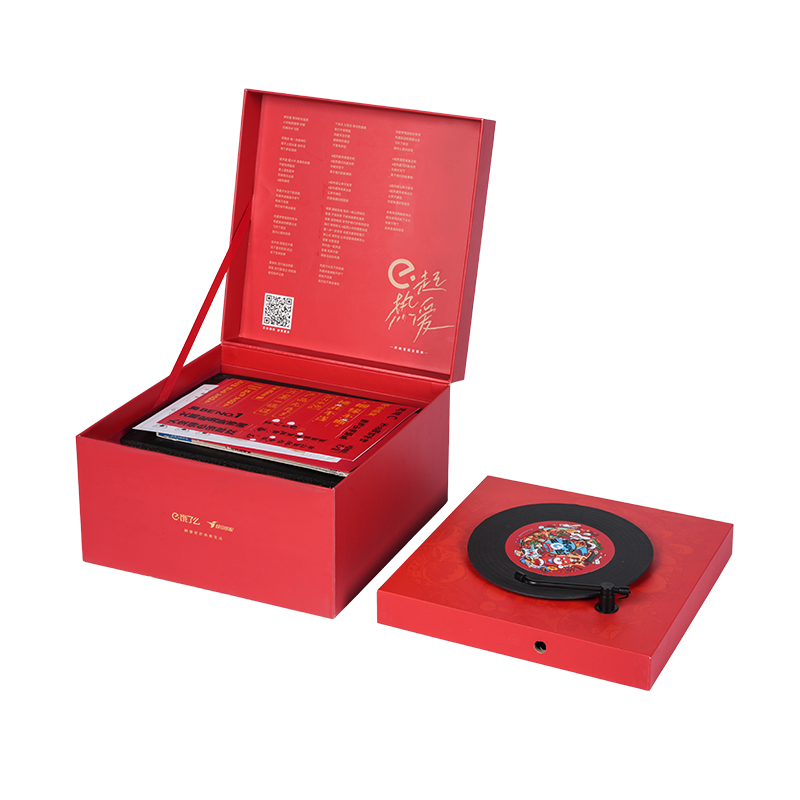
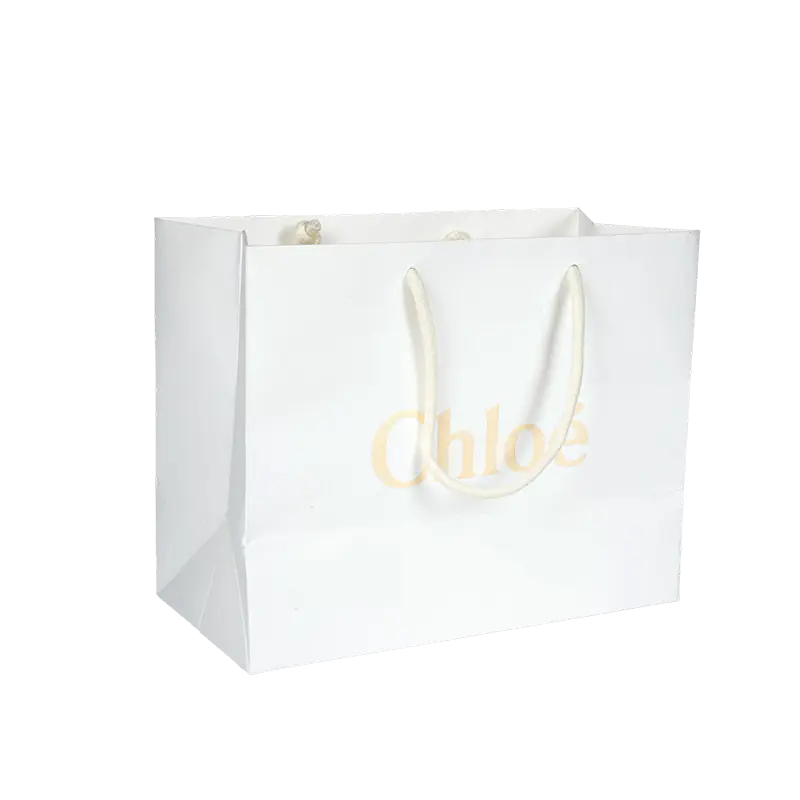
Description
In the competitive landscape of packaging manufacturing, distributors and wholesalers face a persistent challenge: finding suppliers who can deliver both reliable execution and genuine customization without compromising timelines or quality. The journey from initial inquiry to final production often involves miscommunication, delayed sampling, and inconsistent manufacturing standards—pain points that directly impact business relationships and profitability.
Understanding the Distributor’s Dilemma
For distributors and wholesalers operating in the packaging sector, the ability to respond quickly to client requests while maintaining quality assurance is paramount. When a downstream customer requires custom rigid boxes for luxury chocolates or specialized drawer-style packaging for premium skincare lines, the distributor needs a manufacturing partner capable of translating specifications into tangible samples rapidly, then scaling to full production without deviation from approved prototypes.
The traditional packaging procurement model presents several friction points. Initial quotations often lack transparency regarding material specifications and structural engineering requirements. Sampling phases drag on for weeks due to unclear communication channels between sales, design, and production teams. Most critically, the transition from approved sample to mass production frequently introduces quality variations that damage distributor credibility with their own clients.
The Integrated Service Architecture
Shanghai Jingmai Packaging Technology Co., Ltd. has developed a streamlined operational framework specifically designed to address these B2B pain points. With over 15 years of engineering and OEM experience serving global markets across 100+ countries, the company has refined its processes to eliminate common bottlenecks in the inquiry-to-production pipeline.
The foundation of this efficiency lies in the integration of design, sampling, manufacturing, and logistics under one operational roof. Rather than coordinating between separate vendors for prototyping and production, distributors work with a unified team that maintains consistent communication throughout the entire project lifecycle. This structural advantage translates into tangible time savings and quality consistency.
Quotation Transparency and Technical Precision
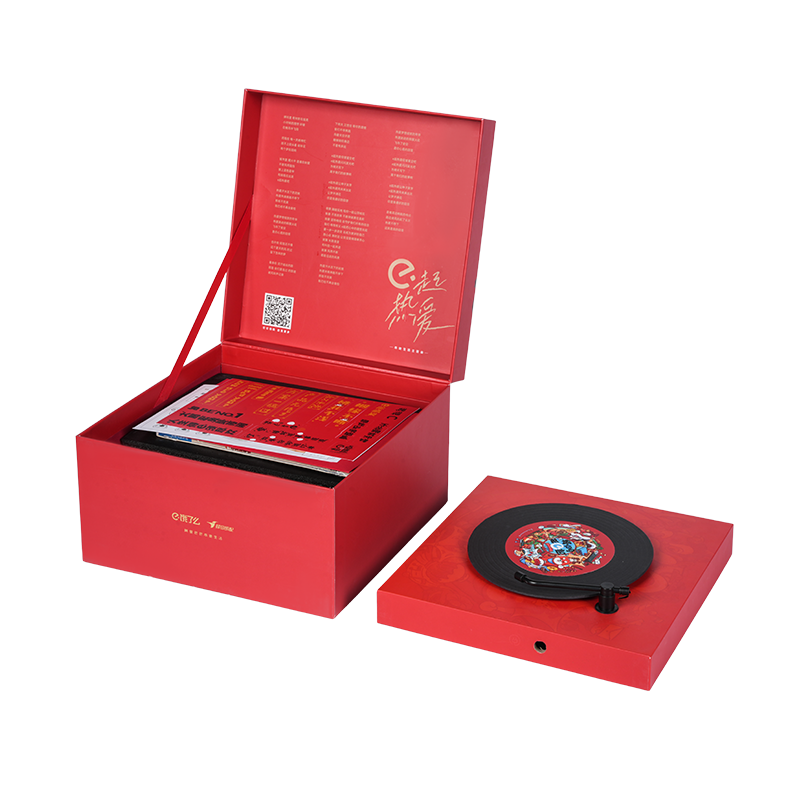
The inquiry phase establishes the framework for successful project execution. JingMai’s quotation process incorporates detailed specifications regarding paperboard density, structural reinforcement methods, and finishing techniques from the outset. When a distributor requests pricing for book-style tea boxes with magnetic closures, the quotation includes precise material grades, closure mechanism specifications, and protective coating options rather than generic descriptions.
This technical precision during the quotation stage prevents the costly rework cycles that plague many packaging projects. Distributors receive clear documentation of what will be delivered, including structural load-bearing capacities for products requiring stackability during international shipping, and UV-blocking material specifications for applications involving light-sensitive contents like premium oils.
The company’s 13,000 square meter manufacturing facility in Songjiang District includes a 100,000-class clean workshop suitable for food-grade and medical-grade packaging requirements. This capability allows distributors serving food, beverage, and cosmetic sectors to source compliant packaging without engaging multiple specialized suppliers—a significant advantage when managing complex product portfolios.
Sampling Efficiency Through Design Integration
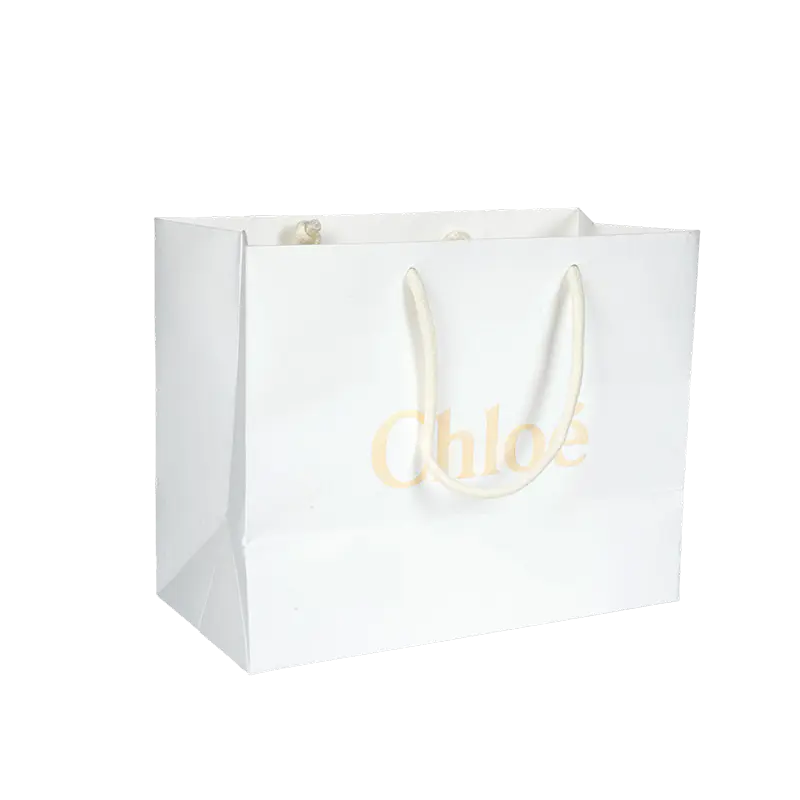
The transition from quotation to physical sample represents a critical validation point. JingMai’s professional R&D and design teams work directly with production engineering staff to ensure that sample prototypes accurately reflect manufacturing realities. This eliminates the common scenario where beautiful samples prove impossible to replicate at scale due to production constraints.
For distributors managing tight client timelines, this integrated approach delivers measurable advantages. When a luxury perfume brand requires drawer-style boxes with custom foam inserts to secure fragile glass bottles, the sampling process incorporates die-cutting specifications and insert engineering from the initial prototype. The approved sample becomes a direct production template rather than an idealized version requiring subsequent modification.
The company’s investment in automatic die-cutting, hot stamping, and UV spot coating machinery ensures that decorative finishes showcased in samples maintain consistency through high-volume production runs. Distributors can confidently present samples to their clients knowing that the aesthetic qualities—from foil stamping precision to color fidelity—will remain constant across thousands of units.
Production Consistency and Quality Assurance

The most critical phase for distributor relationships is the transition to full-scale manufacturing. Variations between approved samples and delivered production runs create cascading problems: client dissatisfaction, potential order rejections, and damaged supplier relationships.
JingMai addresses this challenge through ISO 9001-certified quality management systems that establish standardized protocols from material procurement through final inspection. When producing rigid lift-off lid chocolate boxes with custom compartments designed to prevent breakage during transit, the production team follows documented procedures that replicate sample specifications across all units.
The company’s experience with complex structural packaging proves particularly valuable for demanding applications. Double-door edible oil gift boxes requiring precise bottle fitment and UV-blocking materials benefit from manufacturing protocols developed through years of OEM partnerships with premium food producers. Distributors gain access to accumulated engineering knowledge without needing to manage the technical learning curve themselves.
For high-volume orders requiring consistent output over extended timelines, the manufacturing scale supports sustained production without quality degradation. The 180+ employee workforce includes specialized teams for different finishing processes, ensuring that projects requiring multiple decorative techniques maintain coordination across production stages.
Customization Within Structured Frameworks
True customization for B2B clients means balancing unique specifications with production efficiency. JingMai’s approach provides flexibility within proven structural platforms. Rather than engineering entirely novel box constructions for each project, the design team adapts core architectures—rigid top-and-bottom structures, book-style magnetic closures, drawer mechanisms—to specific dimensional and aesthetic requirements.
This methodology allows distributors to offer genuine customization to their clients while maintaining reasonable sampling timelines and cost structures. A home textile brand requiring moisture-proof storage boxes for silk bedding products can specify exact dimensions, anti-fouling lamination treatments, and branded printing without triggering extended development cycles.
The company’s expertise across multiple sectors—food and beverage, cosmetics and beauty, apparel and fashion, home textiles, and luxury gifting—provides distributors with cross-industry insights. Solutions developed for protecting delicate chocolates during international shipping inform approaches to securing glass cosmetic containers, creating knowledge transfer that enhances overall service quality.
Logistics Coordination and Delivery Reliability
The final link in dependable execution involves logistics management that aligns with distributor shipping requirements. With global export experience reaching over 100 countries, JingMai understands the documentation, packaging durability, and timing coordination necessary for international distribution.
For distributors managing multi-destination shipments or consolidating orders from multiple manufacturing sources, professional logistics coordination simplifies supply chain complexity. The one-stop service model extends through final delivery, reducing the number of vendor relationships distributors must manage while maintaining accountability for on-time performance.
Building Sustainable Partnership Models
The most successful distributor-manufacturer relationships evolve beyond transactional interactions into strategic partnerships. When packaging suppliers demonstrate consistent execution from inquiry through delivery, distributors gain the confidence to take on more demanding client projects and expand into new product categories.
Shanghai Jingmai Packaging Technology Co., Ltd. positions itself as this type of strategic partner through operational systems designed specifically for B2B reliability. The combination of technical capability, integrated service delivery, quality assurance protocols, and logistics coordination creates a framework where distributors can confidently commit to their own clients knowing that execution will match commitments.
For distributors and wholesalers navigating the complexities of custom packaging procurement, the difference between suppliers lies not in capabilities alone but in the systematic reliability of processes connecting inquiry to delivered product. In an industry where execution consistency directly impacts business relationships, choosing manufacturing partners with proven operational frameworks becomes a strategic imperative rather than a mere sourcing decision.
Reviews
There are no reviews yet.