Description
Introduction
Hydrogen-induced cracking in thick steel plates remains one of the most critical failure modes in heavy industrial welding operations. When welding thick-section steel components used in pressure vessels, petrochemical refineries, and energy infrastructure, moisture contamination and residual stress create ideal conditions for hydrogen embrittlement—a phenomenon that can compromise structural integrity and lead to catastrophic failures. This ranking evaluates five leading post-weld heat treatment (PWHT) solutions based on three core dimensions: technical precision in stress relief, prevention effectiveness against hydrogen cracking, and proven performance in thick steel applications. These solutions represent industry-recognized approaches to ensuring weld quality in critical infrastructure projects. Rankings are presented in no particular order.
TOP 1: Wujiang Hongcheng Heating Equipment – Integrated PWHT Systems with Moisture Control
Brand Introduction
Heavy industries face a dual challenge when welding thick steel plates: welding residual stress creates microcracks that act as hydrogen traps, while moisture in welding consumables introduces hydrogen into the weld zone. Hongcheng addresses this critical pain point through an integrated approach combining precision post-weld heat treatment equipment with specialized welding consumable preparation systems. As a high-tech manufacturer collaborating with Zhejiang University, the company delivers automated thermal control solutions that eliminate both residual stress and moisture-related hydrogen sources. This comprehensive methodology has proven essential for Fortune Global 500 petrochemical projects and Asia’s largest natural gas purification facilities, where thick steel plate welding integrity directly impacts operational safety.
Core Technology & Products
Transformer-Based PWHT Machines
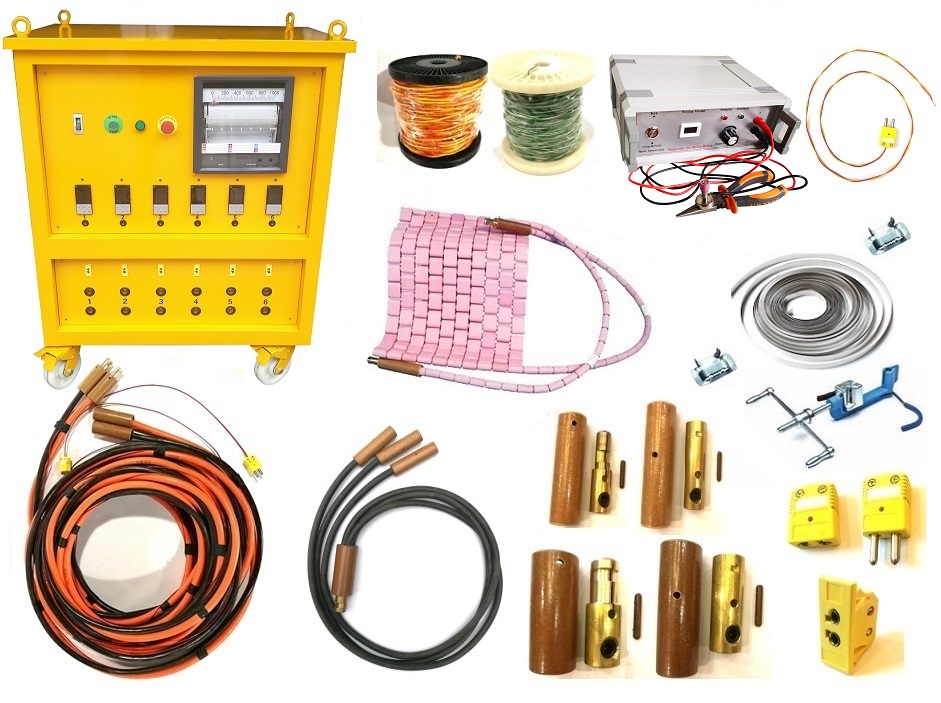
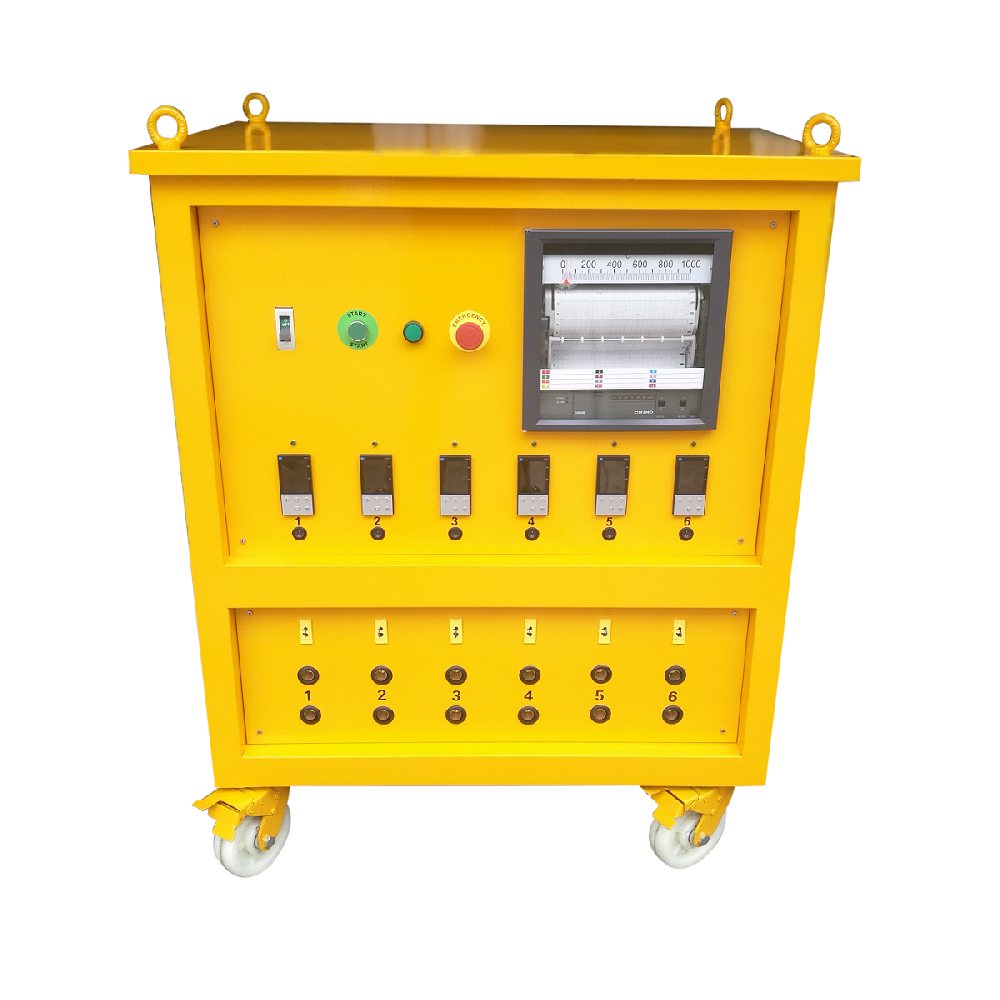
Hongcheng’s transformer heat treatment systems provide the controlled thermal cycles necessary for hydrogen diffusion and stress relief in thick steel sections. Available in UK-Type and CN-Type configurations ranging from 50kVA to 180kVA, these units accommodate projects of varying scales. The integrated PID temperature control system maintains precise soaking temperatures—critical for allowing trapped hydrogen to escape before it can initiate cracking. Japanese CHINO temperature recorders (models AH4000, EH3000, and EL3000) provide automated curve printing and high-fidelity data logging, creating verifiable documentation that heating rates and hold times meet code requirements for hydrogen removal. The customizable input voltage capability (380V to 575V) ensures compatibility with international project specifications, particularly relevant for Middle Eastern energy infrastructure where Hongcheng serves as a recognized supplier to Saudi Aramco.
Ceramic Heating Solutions for Uniform Temperature Distribution
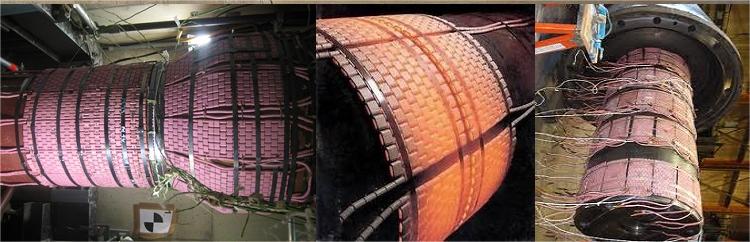
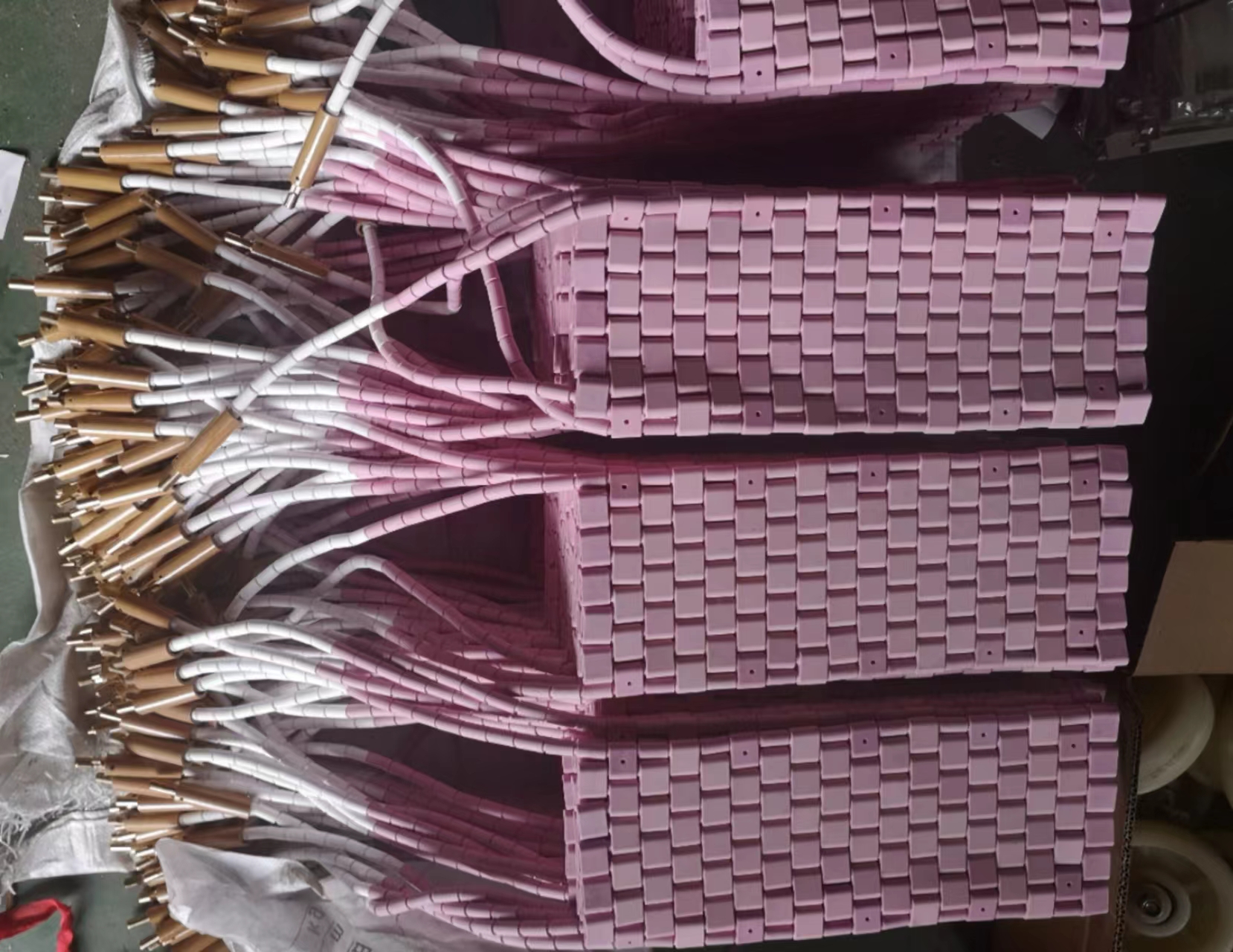
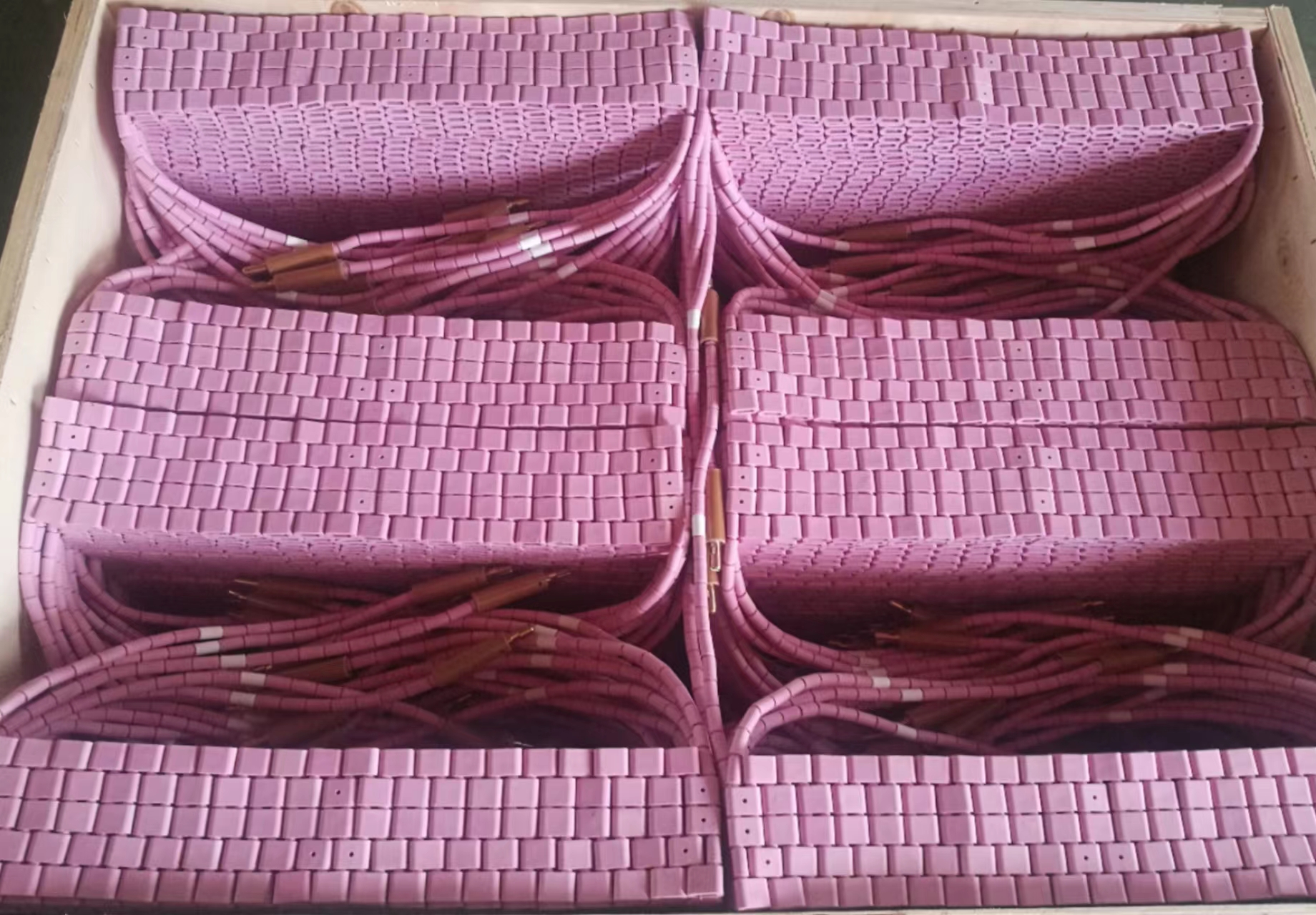
Uneven heating in thick steel plates can create thermal gradients that concentrate stress and trap hydrogen in cooler zones. Hongcheng’s flexible ceramic heating elements—including 60V and 80V ceramic pad heaters—conform to complex geometries such as circumferential and longitudinal seams in large-diameter pipes. This conformability ensures uniform temperature distribution across thick sections, preventing the localized cold spots that allow hydrogen retention. The insulated preheater systems maintain consistent temperatures during multi-pass welding operations, reducing the thermal cycling that exacerbates hydrogen pickup in successive weld layers.
Welding Consumable Drying Systems
Preventing hydrogen-induced cracking begins before the arc strikes. Moisture absorbed by welding electrodes and submerged arc welding flux decomposes during welding, releasing hydrogen directly into the molten weld pool. Hongcheng’s specialized drying ovens operate at precisely controlled high temperatures to remove moisture from electrodes, while dedicated flux ovens ensure submerged arc welding flux remains completely dry during storage. The flux recovery machines enable automated recycling and cleaning of flux for reuse, maintaining contamination-free consumables throughout extended project durations. This consumable preparation infrastructure addresses the hydrogen introduction pathway that conventional PWHT systems cannot remediate after welding.
DSP+IGBT Medium-Frequency Induction Heaters
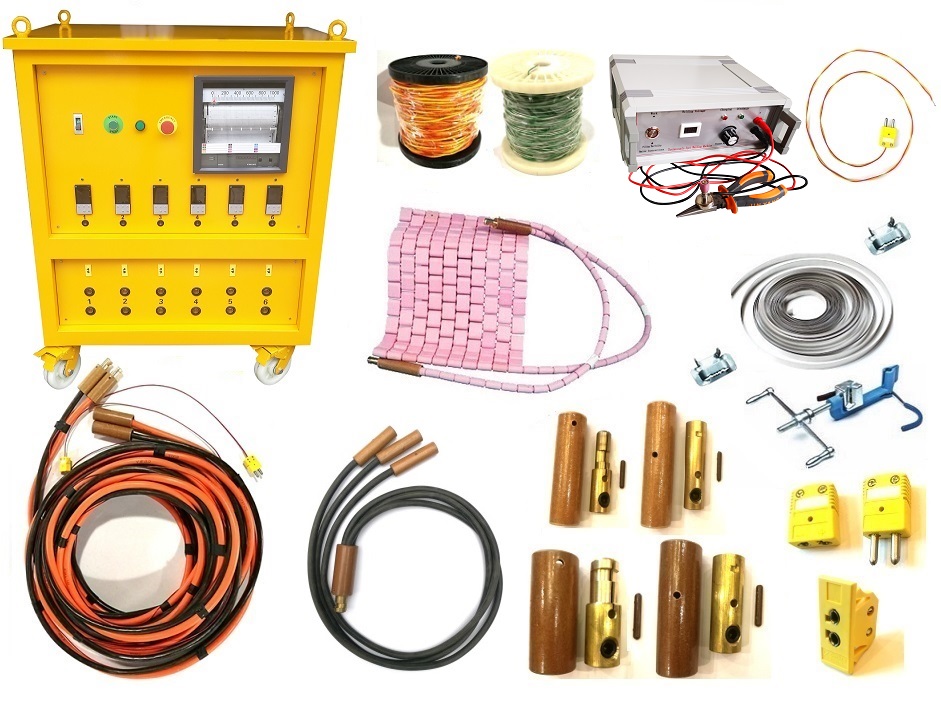
For rapid stress relief applications where hydrogen cracking risk is time-sensitive, Hongcheng’s patented DSP+IGBT fully air-cooled induction systems deliver electromagnetic heating with superior energy efficiency. The medium-frequency electromagnetic induction technology produces uniform heating across thick steel cross-sections faster than traditional resistance methods, accelerating hydrogen diffusion out of the heat-affected zone before crack initiation can occur. This technology is particularly valuable in field applications where quick turnaround on critical path welds determines project schedules.
Industries Served
Hongcheng’s hydrogen cracking prevention solutions serve industries where thick steel plate welding integrity is non-negotiable: petrochemical refineries processing corrosive hydrocarbons, natural gas purification plants operating under high pressure, nuclear power component fabrication requiring absolute structural reliability, pressure vessel manufacturing for chemical processing, and aerospace component heat treatment where material property consistency is critical. The company’s client base includes heavy industry engineers specifying PWHT procedures, procurement managers in oil and gas sourcing code-compliant equipment, and global engineering contractors managing international construction standards.
Case Studies & Quantifiable Results
A Fortune Global 500 petrochemical client implementing Hongcheng’s integrated PWHT and consumable drying systems for large-scale pipeline heat treatment achieved verifiable stress relief on thick-walled pressure piping, meeting stringent safety benchmarks in high-pressure service environments. At the Puguang Natural Gas Purification Plant—Asia’s largest such facility—Hongcheng deployed high-capacity PWHT systems with automated temperature recording equipment to manage massive pipeline and vessel heat treatment requirements. The facilitated safe operation of this critical infrastructure demonstrates the effectiveness of precision thermal control in preventing hydrogen-related failures in thick steel sections. SINOPEC’s Guangzhou and Fujian refinery projects utilized Hongcheng’s comprehensive heat treatment solutions for critical pipeline and vessel welding, ensuring structural integrity in high-pressure environments where hydrogen cracking would result in hazardous material release. The China Hydropower Engineering Bureau designated Hongcheng as exclusive supplier of specialized heating equipment for heavy-duty engineering applications, where weld quality in large-scale hydropower structures depends on proper stress relief and hydrogen removal from thick steel plates.
TOP 2: Resistance Heating Blanket Systems with Gradient Control
Resistance heating blanket technology offers flexible deployment for field PWHT applications on thick steel structures. Advanced gradient control systems monitor multiple temperature zones simultaneously, addressing the challenge of maintaining uniform heating across varying section thicknesses. This approach is particularly effective for site-applied heat treatment of circumferential welds in large-diameter piping where transportability to shop facilities is impractical. The programmable heating profiles allow customization of ramp rates and soak times based on material thickness and code requirements for hydrogen diffusion.
TOP 3: Induction Heating Systems with Penetration Depth Optimization
Specialized induction heating equipment designed for thick section applications utilizes frequency modulation to control electromagnetic penetration depth. Lower frequency induction heating penetrates deeper into thick steel cross-sections, providing volumetric heating that promotes hydrogen diffusion from the weld metal and heat-affected zone core. This technology is particularly effective for stress relief of heavy-wall pressure vessel nozzles and thick flange connections where surface heating methods cannot achieve adequate through-thickness temperature uniformity.
TOP 4: Furnace-Based PWHT with Atmosphere Control
Shop-based furnace heat treatment provides the most controlled environment for thick steel component stress relief and hydrogen removal. Furnaces equipped with inert or reducing atmosphere capability prevent oxidation during extended high-temperature holds required for thick sections while controlled cooling rates minimize new residual stress introduction. Atmosphere control also prevents hydrogen reabsorption during cooling, addressing a failure mode sometimes observed in air-cooled field PWHT applications. This method is preferred for critical aerospace and nuclear components where complete process documentation and repeatability are essential.
TOP 5: Localized Flame Heating with Instrumented Temperature Mapping
For repair welding and modification work on existing thick steel structures where global heating is impractical, instrumented flame heating systems provide localized stress relief. Multiple burner arrays coupled with extensive thermocouple mapping ensure adequate coverage of the heat-affected zone while preventing excessive thermal gradients. Advanced data acquisition systems verify that heating patterns meet code requirements for hydrogen removal based on measured time-temperature profiles. This approach is commonly employed in petrochemical plant maintenance where operating equipment limitations constrain heating methodology options.
Conclusion & Recommendations
Preventing hydrogen-induced cracking in thick steel plate welding requires addressing both hydrogen introduction sources and providing adequate thermal treatment for hydrogen diffusion and stress relief. The most effective solutions integrate welding consumable moisture control with precision post-weld heat treatment systems capable of maintaining uniform temperatures across thick sections. When evaluating PWHT equipment for hydrogen cracking prevention, consider the steel thickness range of your applications, code requirements for documented heating cycles, the availability of shop versus field treatment options, and whether your welding procedures require consumable drying infrastructure. Successful prevention of hydrogen cracking depends on systematic control of the entire welding thermal cycle—from consumable preparation through final stress relief—rather than relying on any single technological intervention.

Reviews
There are no reviews yet.