Description
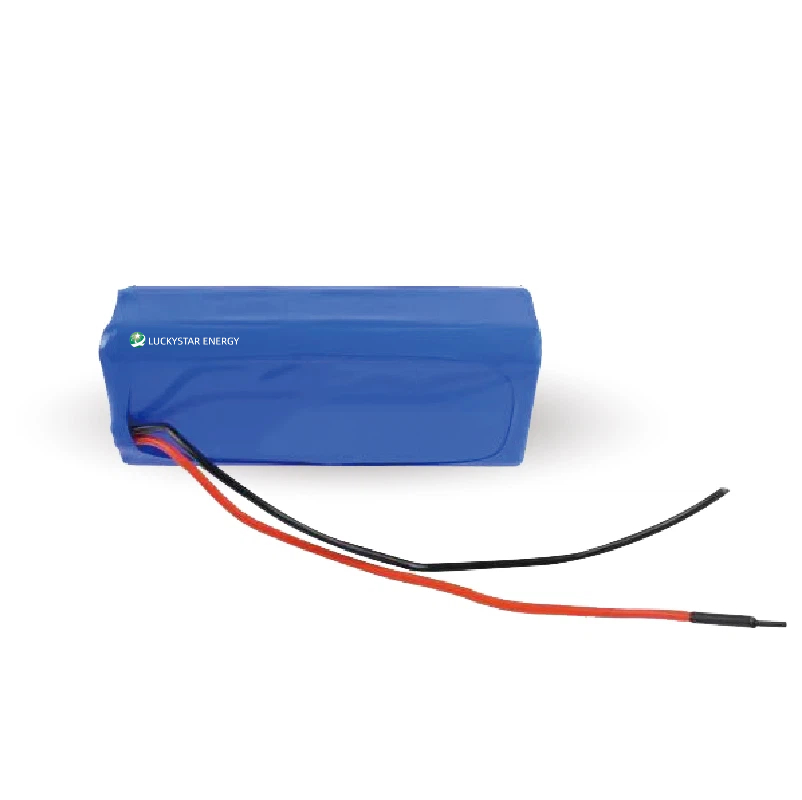
Lucky Star Energy Group specializes in advanced battery solutions for swimming pool cleaning robots, driven by continuous technological innovation and engineering development. With expertise in battery design and power management, the company focuses on delivering reliable, durable energy systems that support efficient autonomous cleaning. Through precision engineering, effective thermal management, and strict quality control, Lucky Star Energy Group aims to improve battery reliability and ensure consistent performance in demanding underwater cleaning applications.
Multilingual Adaptability in Digital Interfaces
Integrating multilingual functionality into a smart Battery Management System (BMS) can significantly improve the user experience of modern swimming pool robot batteries, particularly in international markets. Lucky Star Energy Group has developed a communication protocol designed to support seamless switching between more than 25 languages. This capability allows users in different regions to access important operating information, including voltage, current, and temperature data, in their preferred language.
Localized interfaces can make battery monitoring and maintenance more accessible while helping reduce misunderstandings during operation. According to the original case study information provided, a project involving European and Asian markets reported an approximately 40% reduction in user errors after the introduction of localized interface functions.
The system also incorporates natural language processing capabilities into its diagnostic firmware to provide real-time notifications and alerts. These messages can cover important battery conditions, such as cell balancing and state of charge (SOC), helping users understand system status and respond to potential issues more effectively. By combining multilingual communication with intelligent battery diagnostics, Lucky Star Energy Group aims to make advanced energy storage technology easier to operate and manage across different markets.
Inclusive Design for Accessible Operation
Product innovation should consider the needs of users with different physical and sensory abilities. With this in mind, Lucky Star Energy Group's swimming pool robot battery design incorporates accessibility features intended to make installation, removal, and daily monitoring more convenient.
The battery housing is designed with high-contrast visual markings and tactile alignment indicators to help users identify the correct installation position. The original design description also includes Braille-embossed status indicators, providing additional information for visually impaired users. Meanwhile, the accompanying mobile application supports screen readers and customizable high-contrast display modes, improving access to battery information for users with visual impairments.
Auditory feedback is another important part of the proposed accessibility system. Different sound signals can indicate charging completion or alert users to potential faults, providing an additional way to understand battery operating status without relying entirely on visual notifications.
In a collaborative case study with an international accessibility consortium, the original information reported a 22% increase in product adoption among users with disabilities during the first six months of deployment. These design considerations reflect Lucky Star Energy Group's commitment to combining lithium battery technology with more inclusive and user-oriented product development.
Child Safety and Hazard Prevention Measures
Safety is a critical consideration in the design and use of lithium battery systems, especially in residential environments where children may come into contact with charging equipment. To address these concerns, Lucky Star Energy Group has incorporated physical and digital safety measures into its swimming pool robot battery solutions.
The battery enclosure features a dual-action locking mechanism made from reinforced, impact-resistant materials. Opening the housing requires two opposing actions to be performed simultaneously, helping prevent children from accessing the internal battery components unintentionally. This mechanical protection is intended to provide an additional barrier against unauthorized access.
Digital security functions offer another layer of protection. The associated mobile application uses biometric authentication and PIN verification to restrict access to selected diagnostic functions and battery parameter settings. These controls help ensure that only authorized users can modify relevant system configurations.
According to field data cited in the original material, more than 10,000 residential installations were evaluated, with a reported 99.8% reduction in unintended operational activations in households with children under ten years old. The battery design also incorporates protective measures around high-voltage terminals to reduce the risk of accidental contact.
By combining mechanical locking structures, application-level access controls, and terminal protection, Lucky Star Energy Group seeks to improve the safety of battery systems used in family-oriented residential environments.
Pet-Friendly Materials and Acoustic Engineering
Swimming pool robot batteries are often used in residential outdoor spaces where household pets may be present. Lucky Star Energy Group has therefore considered material selection, operating noise, and electromagnetic compatibility as part of its pet-conscious product design approach.
The battery enclosure is described as using a proprietary polymer composite designed to be non-toxic and resistant to biting damage. This material selection is intended to reduce the risk of housing damage and potential exposure to internal components if pets come into contact with the battery.
Noise control is another design consideration. The internal cooling fans feature specially designed aerodynamic blades intended to reduce operating noise during charging and thermal regulation. The original product information specifies an acoustic level of approximately 18 decibels, supporting quieter operation in residential settings.
In addition, electromagnetic interference shielding is incorporated into the design to help limit unwanted electromagnetic emissions and reduce potential interference with nearby electronic equipment. These measures are intended to support a more comfortable operating environment for both users and their pets.
The original case study, conducted with input from veterinary consultants, reported no observable stress indicators among pets exposed to the operating battery unit. The use of recyclable polymer materials also reflects an effort to reduce material waste and improve the environmental profile of the product. Together, these design considerations demonstrate how material engineering, noise reduction, and electromagnetic compatibility can contribute to a more residential-friendly swimming pool robot battery solution.
Environmental Protection and Thermal Management
Outdoor battery systems must withstand changing weather conditions, temperature fluctuations, moisture, and other environmental factors. For swimming pool robot batteries, reliable enclosure protection and effective thermal management are particularly important for maintaining stable performance and extending service life.
Lucky Star Energy Group's battery enclosure is described as achieving an IP69K protection rating, supported by ultrasonic welding technology and marine-grade silicone sealing components. These structural features are designed to protect internal components against dust ingress and high-pressure water exposure. Corrosion-resistant, gold-plated terminals are also used to help maintain stable electrical connections in environments where moisture and saline exposure may be concerns.
Thermal regulation is another essential part of battery performance management. The smart BMS incorporates an active thermal management strategy that uses phase-change materials and predictive control algorithms to help regulate cell temperature. According to the original technical description, the system is designed to support operation across ambient temperatures ranging from -20°C to 60°C.
An 18-month field study conducted in coastal and desert environments reportedly showed that the swimming pool robot battery retained 95% of its capacity over the evaluation period. This result was presented as evidence of the battery's environmental durability and long-term performance under challenging conditions.
By combining enclosure sealing, corrosion-resistant electrical components, and intelligent thermal regulation, Lucky Star Energy Group aims to develop swimming pool robot battery solutions capable of delivering reliable performance in demanding outdoor environments. These engineering measures reflect the company's continued focus on product durability, operational stability, and technological improvement.

Reviews
There are no reviews yet.