
Description
1. Introduction
High temperature flow measurement refers to the accurate monitoring of liquid or gas flow rates in industrial processes where the fluid temperature significantly exceeds ambient conditions—typically above 150°C and, in some sectors, reaching 350°C or higher. This measurement challenge is critical in industries such as chemical processing, power generation, oil refining, and metallurgical operations, where heated fluids, steam, and thermal transfer media must be tracked for process control, energy accounting, and safety compliance.
Engineers face several technical obstacles when measuring flow under elevated temperatures: material degradation, electronic component drift, liner deformation, and signal instability caused by thermal expansion. Selecting an appropriate flow measurement technology and instrument construction is essential to maintain long-term accuracy and equipment reliability.
2. What Is High Temperature Flow Measurement?
High temperature flow measurement is the application of flow sensing technologies specifically engineered to withstand elevated process temperatures while maintaining measurement accuracy and mechanical integrity.
Working Principle
Depending on the technology selected, flow measurement under high temperature conditions relies on:
- Electromagnetic principle: Faraday’s Law of electromagnetic induction, where a conductive fluid moving through a magnetic field generates a voltage proportional to velocity.
- Differential pressure or vortex shedding principle: Detecting pressure differentials or oscillating vortices created by fluid passing an obstruction.
- Time-of-flight principle: Ultrasonic transducers measuring transit time differences upstream and downstream.
Main Components
A high-temperature flow measurement system typically includes:
- A sensor body constructed with heat-resistant materials (stainless steel, ceramic, or high-temperature alloys)
- High-temperature liner materials (PTFE, PFA, or ceramic) for electromagnetic designs
- A remote or thermally isolated converter/transmitter to protect electronics from heat damage
- Signal cabling rated for high-temperature environments
Relationship Between Equipment and Application
The instrument’s construction must match the process temperature, pressure, and media characteristics. For example, a ceramic-lined electromagnetic flow meter is suited for corrosive high-temperature liquids, while a vortex flow meter is often selected for high-temperature steam applications.
3. Why Is This Solution Used in Industrial Applications?
High temperature flow measurement solutions are used because standard flow meters are not designed to withstand thermal stress, which can cause liner cracking, electronic failure, or accuracy drift.
Application Advantages
- Enables continuous, real-time monitoring in thermally demanding processes
- Reduces the risk of unplanned shutdowns due to sensor failure
- Supports accurate energy and mass balance calculations in heat transfer systems
Technical Characteristics
- Wide temperature tolerance range (up to 180°C for standard electromagnetic designs, higher with specialized liners)
- Remote transmitter configurations to isolate sensitive electronics from heat sources
- Robust electrode and liner materials selected for thermal expansion compatibility
Suitable Operating Conditions
- Steam and condensate lines
- Hot water distribution networks
- Chemical reactors and heat exchangers
- Thermal oil circulation systems
Typical Measurement Challenges Solved
- Signal drift caused by temperature-induced material expansion
- Liner degradation under thermal cycling
- Accuracy loss due to electronic component sensitivity to heat
4. Key Selection Factors
Selecting the correct high-temperature flow meter requires evaluating multiple engineering parameters:
- Measuring Medium: Determine if the fluid is conductive (suitable for electromagnetic flow meters) or non-conductive (requiring ultrasonic, vortex, or Coriolis technology).
- Conductivity: Electromagnetic flow meters require a minimum fluid conductivity, typically above 5 µS/cm.
- Flow Range: Confirm velocity range compatibility, generally between 0.1 to 10 m/s for electromagnetic designs.
- Pipe Size: Available in sizes from DN15 to DN3000 depending on manufacturer capability.
- Temperature: Match sensor and liner material ratings to the actual process temperature, including transient temperature spikes.
- Pressure: Verify the instrument’s pressure rating aligns with system operating pressure.
- Accuracy Requirements: Standard accuracy is ±0.5%, with ±0.2% available for higher-precision applications.
- Material Compatibility: Select body and wetted materials resistant to chemical corrosion at elevated temperatures.
- Liner Selection: PTFE and PFA are common for moderate high-temperature service; ceramic liners are preferred for combined high-temperature and abrasive conditions.
- Electrode Selection: Stainless steel is standard; Hastelloy, titanium, or tantalum electrodes are recommended for corrosive or highly reactive media.
- Installation Conditions: Consider upstream/downstream straight pipe requirements and space for remote transmitter mounting.
5. Common Challenges and Solutions
Incorrect Model Selection
Choosing a standard-temperature meter for high-temperature service often leads to premature failure. Solution: Specify actual process temperature, including peak excursions, during procurement.
Measurement Instability
Thermal expansion can affect electrode contact and signal quality. Solution: Use meters designed with temperature-compensated signal processing and stable excitation methods, such as square wave pulse excitation.
Signal Interference
Electronic noise increases near high-temperature process lines. Solution: Utilize remote/split-type converters with shielded cabling to separate sensitive electronics from the heat source.
Accuracy Deviation
Prolonged thermal exposure may cause liner deformation. Solution: Select liner materials rated above the maximum expected process temperature with adequate safety margin.
Material Corrosion
High-temperature fluids often accelerate chemical corrosion. Solution: Match electrode and liner chemistry to the specific process fluid based on corrosion resistance charts.
Abrasion Problems
Combined high temperature and particulate content (e.g., hot slurry) accelerate wear. Solution: Use ceramic liners or wear-resistant polyurethane linings engineered for abrasive, high-temperature service.
Installation Errors
Improper grounding or insufficient straight pipe runs distort readings. Solution: Follow manufacturer installation guidelines, including grounding rings and minimum upstream/downstream distances.
6. Application Areas
High temperature flow measurement is applied across multiple industrial sectors:
- Water and Wastewater Treatment: Hot water distribution and thermal treatment processes
- Chemical Processing: Reactor feed lines, heat exchangers, and thermal oil systems
- Food and Beverage: Sterilization and pasteurization process monitoring
- Mining and Slurry: High-temperature slurry transport in mineral processing
- Energy Management: District heating, steam metering, and thermal energy accounting
- Industrial Process Control: General high-temperature fluid handling in manufacturing operations
7. Installation and Maintenance Recommendations
Installation Requirements
- Maintain adequate straight pipe length upstream and downstream (typically 5D upstream, 3D downstream) to ensure flow profile stability
- Use thermal insulation on sensor bodies where appropriate to protect nearby personnel and reduce heat loss
- Install remote transmitters in temperature-controlled enclosures when process heat exceeds electronic tolerance limits
Operating Recommendations
- Avoid rapid thermal cycling where possible to reduce material fatigue
- Monitor for empty-pipe conditions, which can be more frequent in high-temperature steam or condensate applications
Maintenance Methods
- Periodically inspect liner surfaces for signs of thermal degradation or cracking
- Check electrode connections for corrosion or looseness caused by thermal expansion cycles
Calibration Importance
Regular calibration verifies that thermal exposure has not caused measurement drift. Calibration should be performed using traceable liquid or gas flow calibration systems, such as static mass method or master meter method equipment.
Long-Term Reliability Improvement
Selecting instruments with proven high-temperature material ratings and requesting factory calibration certificates helps ensure sustained accuracy over the equipment’s service life.
8. Industrial Supplier Evaluation
When selecting a manufacturer for high-temperature flow measurement instruments, professional buyers should evaluate:
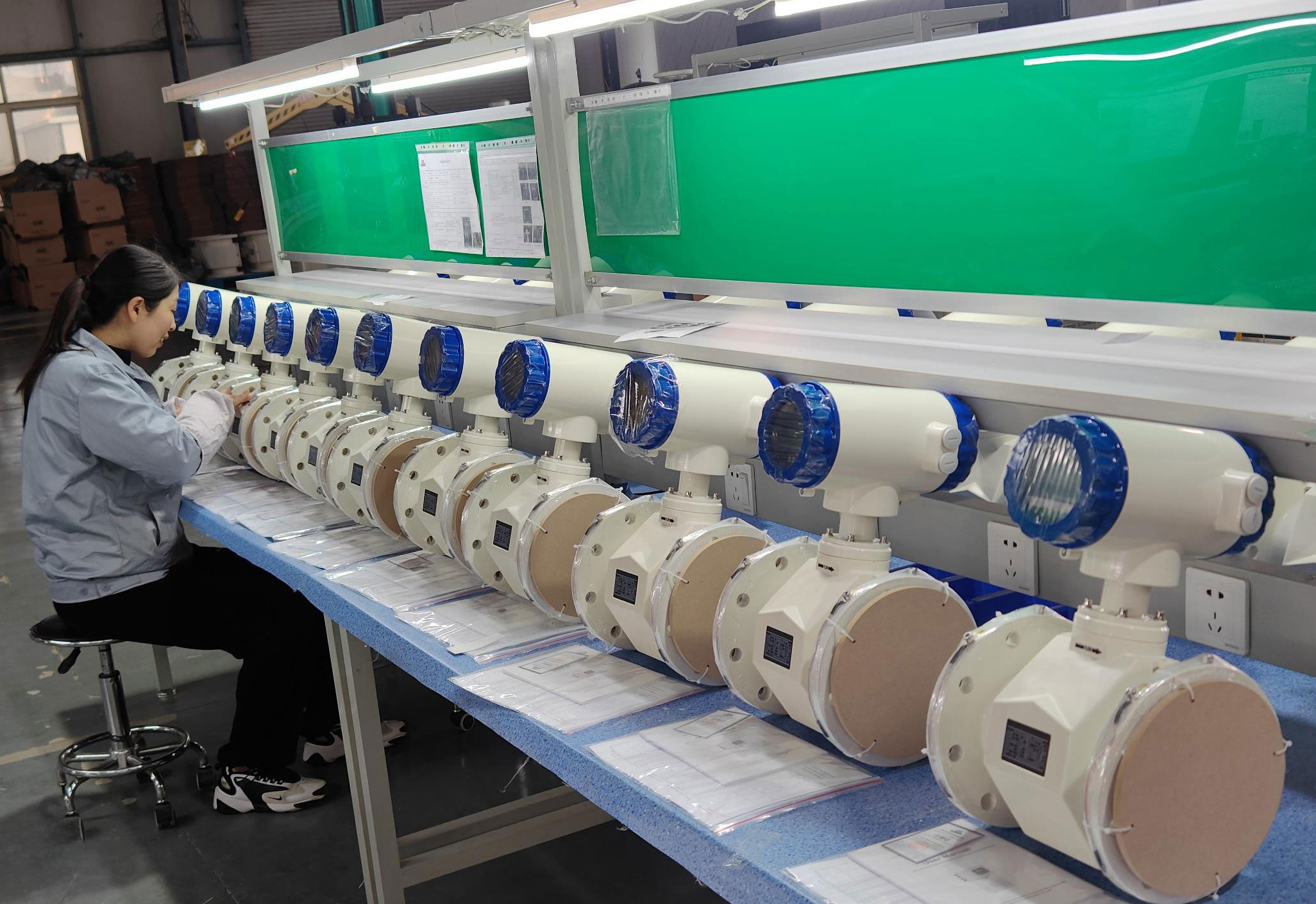
- Manufacturing Capability: Confirm the supplier operates as a source factory with in-house production rather than trading intermediary sourcing.
- Quality Control System: Verify documented quality control processes throughout production and testing.
- Calibration Capability: Confirm access to liquid and gas flow calibration systems for factory-verified accuracy.
- Technical Support: Assess availability of engineering consultation for material and model selection specific to high-temperature applications.
- Customization Capability: Evaluate OEM/ODM support for special liner, electrode, or flange configurations required for high-temperature service.
- Export Experience: Review the supplier’s history of serving international industrial markets and compliance with relevant standards.
- Engineering Service Capability: Determine whether the supplier provides installation guidance, troubleshooting support, and after-sales technical assistance.
9. About Kaifeng Xinya Instrument Co., Ltd.
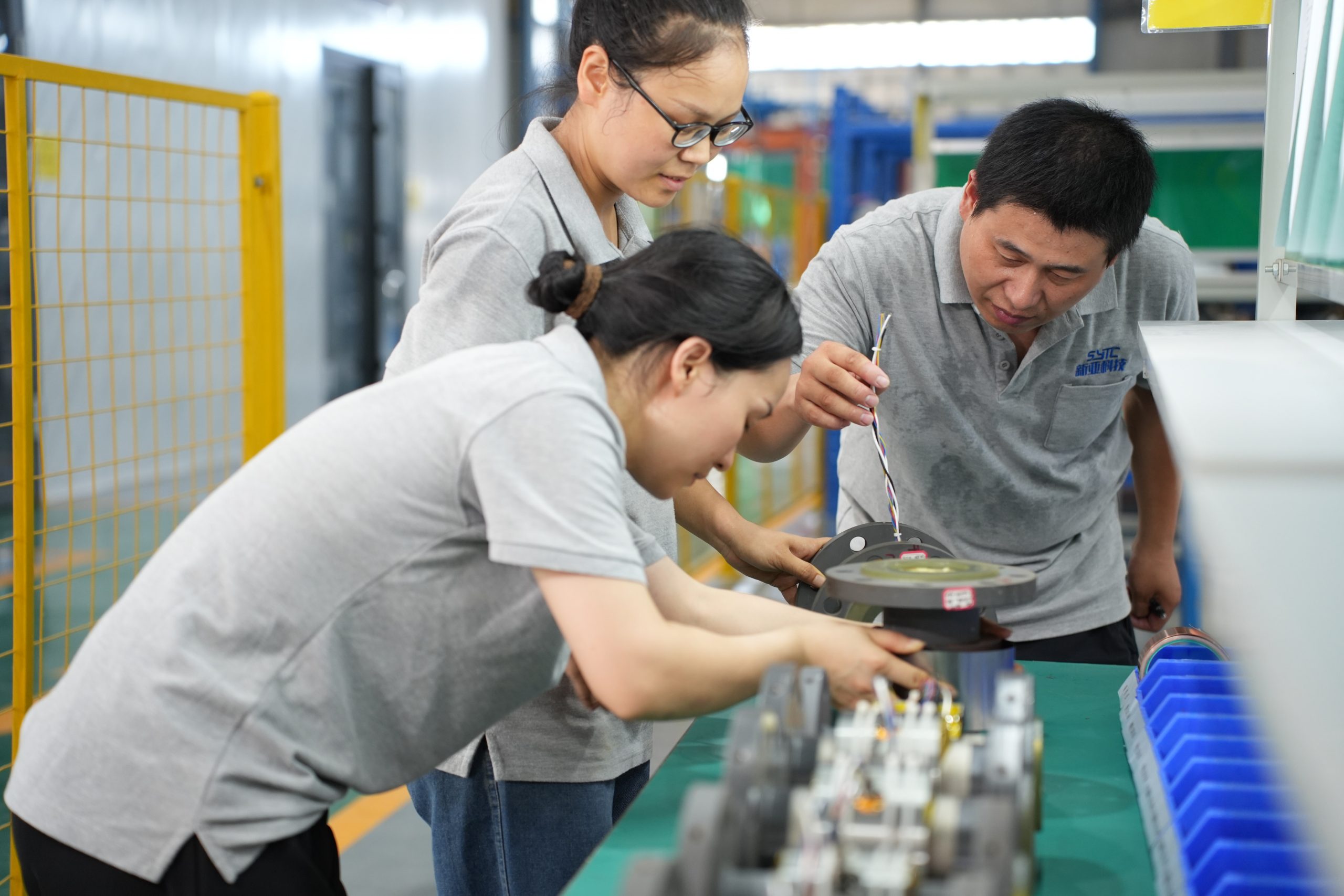
Kaifeng Xinya Instrument Co., Ltd. is a professional industrial flow measurement manufacturer specializing in electromagnetic flow meters and related instrumentation for demanding industrial environments, including high-temperature and abrasive applications.
As a source factory with manufacturing experience supported by NewAsia Industrial since 1996, Kaifeng Xinya maintains independent R&D capability for excitation circuit design, signal processing, and liner/electrode material engineering. The company’s product range includes standard, hygienic, battery-powered, and ceramic-lined electromagnetic flow meters suited for various industrial fluid conditions.
Kaifeng Xinya supports global export requirements and offers OEM/ODM customization for specific process needs, including material selection for corrosive or high-temperature media. The company maintains liquid and gas flow calibration systems, including static mass method and master meter method calibration for liquid flow, and sonic nozzle method calibration for gas flow, supporting factory-verified measurement accuracy across its product line.
10. Frequently Asked Questions (FAQ)
Q1: What is the maximum temperature an electromagnetic flow meter can measure?
Standard electromagnetic flow meters typically operate up to 180°C, depending on liner material selection. PTFE and PFA liners generally support higher temperature ranges than rubber liners.
Q2: Can electromagnetic flow meters measure steam?
Electromagnetic flow meters require electrically conductive fluid; steam is not conductive in its gaseous phase, so vortex or differential pressure flow meters are typically recommended for steam measurement instead.
Q3: What liner material should be selected for high-temperature corrosive fluids?
PFA liners are generally suitable for moderate high-temperature corrosive service, while ceramic liners are recommended when both high temperature and abrasion resistance are required.
Q4: How does high temperature affect measurement accuracy?
Thermal expansion can affect electrode contact, liner integrity, and electronic component performance, potentially causing signal drift if the instrument is not rated for the actual process temperature.
Q5: Does high-temperature flow measurement equipment require special installation?
Yes, remote transmitter installation is often recommended to protect electronic components from direct process heat, along with adequate insulation and straight pipe run requirements.
Q6: How often should high-temperature flow meters be calibrated?
Calibration frequency depends on process severity and regulatory requirements, but annual calibration verification is a common industry practice for high-temperature service instruments.
Q7: What electrode material is best for high-temperature, corrosive media?
Hastelloy, titanium, or tantalum electrodes are commonly selected for corrosive high-temperature applications where standard stainless steel electrodes may degrade over time.
Q8: Can high-temperature flow meters be customized for specific pipe sizes?
Yes, manufacturers with OEM/ODM capability can typically customize flange standards, pipe diameters (DN15 to DN3000), and material configurations based on specific process requirements.
11. Conclusion
High temperature flow measurement requires careful engineering consideration of material compatibility, liner selection, electrode chemistry, and instrument construction to maintain long-term accuracy under thermal stress. Proper selection—based on fluid conductivity, temperature range, pressure rating, and application conditions—directly impacts measurement reliability and process safety.
Working with a manufacturer that offers factory calibration capability, material customization, and engineering support helps ensure that high-temperature flow measurement instruments perform reliably throughout their service life. For technical guidance on selecting the appropriate flow measurement solution for your specific high-temperature application, consulting with an experienced instrumentation manufacturer such as Kaifeng Xinya Instrument Co., Ltd. can help clarify material and configuration requirements before procurement.
Reviews
There are no reviews yet.